If you think that people have suddenly started talking about personal branding, let me break the bad news to you, you are already late to the party.
People have been talking about personal branding for a long time, the honest truth is that you were never listening or worse, were never part of that community.
The good news is that you're not that late still.
Yes, initially it was only associated with certain individuals. Not anymore.
So yes, personal branding is no voldemort that people are afraid of taking off, they were talking about it. It is just that you were a muggle.
But alright, better late than never.
Let’s dive in and contemplate the dynamic arts of personal branding via me, the Brand Professor.
For years, personal branding sounded like something reserved for influencers, motivational speakers, or people who loved hearing themselves talk. Serious professionals stayed away. “Let my work speak,” they said. Then the market got louder. More crowded. More interchangeable.
Now everyone is talking about personal branding because being good at what you do is no longer enough to be remembered.
Your skills might be sharp, your experience deep, your intent genuine — but if your story is unclear, the internet does not pause to figure you out. People move on. Not because you are irrelevant, but because you are invisible.
Personal branding is not about selfies or slogans. It is about context. It answers one simple question your audience always asks silently: “Why you?” When that answer is missing, trust erodes before it even forms.
This blog explores why personal branding has suddenly become unavoidable, not trendy. Why founders, consultants, and professionals who once ignored it are now rethinking their stance. And why building a personal Brand Storytelling today is less about ego and more about survival, leverage, and clarity in a noisy, fast-scrolling world.
Remember when updating your personal website felt like pulling teeth? For many, having a personal website was a necessary part of professional life, but let's be honest: updating that website often felt like a chore. In fact, I once heard a fellow designer admit, "I used to hate updating my website, it was such a hassle." Many of us silently nodded in agreement. You’d need to dig into code or wait weeks for a developer to tweak something simple. It was like your website controlled you, instead of the other way around.
Because of that hassle, people often just avoided making changes. They let their online portfolio gather dust for months or years. Meanwhile, social media profiles might get daily updates, but the website your supposed 'home base' online lagged behind, stuck with outdated info and old designs.
Then something changed. Along came tools that promised to make website building actually enjoyable. If you’ve heard techie friends rave about “no-code” platforms, that’s what they mean: website builders where you don’t need programming skills. And leading the pack is Webflow, a platform that turned the chore of site updates into a creative playground.
For someone who spent years wrestling with clunky editors or HTML, Webflow feels almost magical. It’s a drag-and-drop visual builder where you can design pages in real time, without writing a single line of code. Want to change the layout or text on your site? Just click and edit visually. No FTP uploads, no calling your developer cousin for help. Suddenly, updating a website went from dreaded homework to a quick, satisfying task you could do on a coffee break.
This refreshing change meant people started enjoying keeping their sites up-to-date. Instead of procrastinating, they’d log in to Webflow and tinker with a new blog post or tweak their bio. It’s like the difference between using a friendly smartphone app versus an old, complicated piece of software. One is intuitive and fun, the other is frustrating. Webflow and the no-code revolution gave everyday folks the ability to maintain a polished personal website without the headaches. And when it’s easy and fun, you actually do it!
Webflow is one of the most beloved, especially among designers, freelancers, and personal brand builders. Why? Because it balances freedom and simplicity. Unlike old-school site builders that trap you in rigid templates, Webflow gives you a blank canvas if you want it, or beautiful templates you can customize deeply. You get pixel-level control (great for making your site look uniquely you), but you also get guardrails so you don’t need to worry about breaking the underlying code.
In the mid-2010s, the idea of no-code was still new. Now, by 2025, it’s practically mainstream. The pitch is simple: if you can drag and drop, you can build a website. That’s huge because it means anyone can shape their online presence without hiring a developer or learning to code. Webflow took this concept and aimed it at professionals and creatives who care about Figma UI/UX design and performance. The result? A platform where you can visually design a site, and Webflow quietly generates clean code in the background.
Apart from design freedom, Webflow handles the nerdy stuff for you. It’s got built-in hosting and a content management system (so you can easily write a blog or case study on your site without technical fuss).
It automatically takes care of mobile-responsive layouts (no more pinching and zooming on your phone) and even SEO basics like meta tags and sitemaps. In other words, it covers the modern website checklist: fast load times, mobile friendliness, security, search-engine optimization, all those things that used to require a stack of plugins or a developer’s intervention.
The no-code revolution that Webflow leads is about empowerment. When you remove the barriers to creating and updating a site, you empower more people to actually use their websites as living parts of their personal brand.
Instead of a static online business card that never changes, your personal site can evolve with you. You can blog about new ideas, add projects to your portfolio, announce changes in your career whatever tells your story. And you can do it without breaking a sweat or breaking your site. No wonder so many who once groaned at the thought of website edits now evangelize Webflow and its no-code cousins.
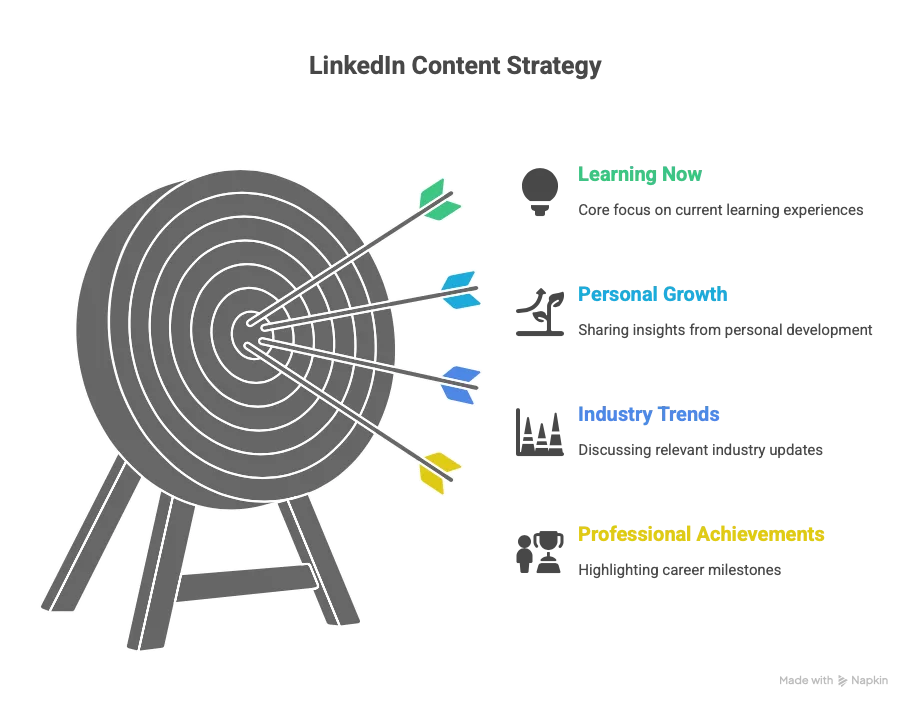
Not too long ago, the phrase “personal brand” might have drawn blank stares or even eye-rolls. Now, it’s a buzzword you hear everywhere from college students polishing their LinkedIn profiles to CEOs sharing casual selfies on Instagram. At its core, personal branding is just a fancy term for how you present yourself and what you’re known for.
One branding expert defines it as shaping and managing how others perceive you in your professional and public life. In simple words, it’s the art of marketing yourself highlighting your strengths, personality, and values so that you stand out in your field and people recognize your name.
So why is everybody talking about it now? The concept isn’t brand new business guru Tom Peters famously wrote about “The Brand Called You” way back in 1997. But personal branding has exploded in popularity in recent years, largely thanks to social media and the rise of online influencers.
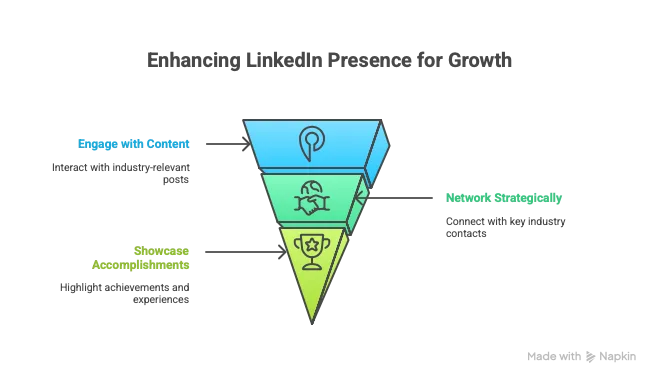
All of a sudden, the tools to broadcast yourself (LinkedIn, Twitter, YouTube, TikTok, you name it) are free and in everyone’s pocket. And people noticed that those who craft a clear online persona tend to reap real benefits from job offers to client leads. In fact, Google searches for “personal brand” have skyrocketed, increasing over 4× in recent years. That’s a pretty strong indicator that interest in personal branding has gone mainstream.
Think about it: in the past, if you were a skilled professional, you’d let your resume and maybe a portfolio do the talking. Today, your online presence does a lot of that talking. A common saying now is that what shows up when someone Googles your name is the new business card.
It’s true, one case study put it bluntly: “In today’s digital-first world, what people see when they Google your name is your new business card”. That’s a wake-up call. It means your LinkedIn profile, personal website, articles, and even tweets collectively form an impression of you before you ever speak to someone in person.
In 2025, having no personal brand (or a negative/absent online presence) can actually hurt you. Consider the job market: 98% of employers admit they research candidates online, and nearly half say they’re less likely to interview someone if they can’t find them on the internet. On the flip side, 70% of employers say that a personal brand is more important to them than a traditional resume.
Why? Because a strong personal brand offers proof of your expertise and character beyond what a resume or cover letter can convey. It shows you have ideas, you’re engaged in your industry, and you have a reputation to uphold. In short, it builds trust before you even walk into an interview or business meeting.
Trust is a huge factor here. Whether you’re selling a product or just selling yourself (your skills and time), people are more likely to engage if they trust you. And people tend to trust individuals more than faceless companies. There’s data to back that up: 92% of people say they trust recommendations from individuals (even if they don’t personally know them) over recommendations from brands.
For businesses, this translates to leaders needing to put a face out there. In fact, 82% of consumers trust a company more when its senior executives are active on social media. No wonder every CEO and their dog is now on LinkedIn or X (formerly Twitter) trying to show their human side.
Personal branding is about authenticity as much as it is about strategy. The best personal brands aren’t concocted out of thin air or corporate jargon; they are built by consistently showcasing the real you in the best light. One creative industry writer noted that a personal brand is rather “a mix of your vibe, your values, and your voice”.
In other words, it’s the way you answer emails, the projects you say yes (or no) to, the causes you support, and the tone you use in communication. When done right, personal branding doesn’t feel like a superficial persona; it feels like you, just visible to the world.
Now that we know what personal branding is, let’s break down why it’s become such a hot topic lately. There are several key drivers behind this boom:
1. Social Media Made Everyone Visible: Platforms like LinkedIn, Instagram, TikTok, and Twitter have given individuals the same publishing power once reserved for media companies. Suddenly, anyone can build an audience. This democratization of attention means professionals realized they could become influencers or thought leaders in their niche.
If others in your field are building followings and getting opportunities through social media, you start thinking, “Should I be doing this too?” The playing field is relatively level; you don’t need a PR agency to get your name out there; you just need something to say and the consistency to say it.
2. Trust and Authenticity Win Business: As mentioned, people prefer to interact with other people, not anonymous entities. A strong personal brand puts a human face to your work and creates trust because others feel they know you. For example, if a founder regularly shares useful insights online, potential customers or partners feel more confident that the company is knowledgeable and transparent.
There’s a ripple effect: employees with personal brands can amplify a company’s reach, and leaders with good reputations can elevate their entire business. In fact, executives estimate that roughly 44% of their company’s market value is directly tied to their CEO’s reputation which is basically the CEO’s personal brand. The rise of personal branding is partly a response to this realization: savvy professionals know their own image can impact their employer’s success, so they invest in it.
3. Career Opportunities and Security: Relying solely on a paper resume is old news. Opportunities often come via networks and online visibility. By building a personal brand, you essentially create a magnet for new opportunities. Recruiters, clients, or collaborators may find you instead of you always chasing them.
Remember that stat about recruiters 80% of recruiters consider a personal brand important when evaluating candidates. Many real-life stories bear this out: people have landed jobs because a hiring manager followed their blog, or because their LinkedIn posts showcase their expertise and passion. In a way, your personal brand is a constant, silent advocate that works for you 24/7, attracting possibilities you might not have gotten through traditional channels.
4. Differentiation in a Crowded World: The internet is noisy, and there are countless professionals with similar skills. Personal branding is how you differentiate yourself. It highlights what’s unique about your approach or your story. Maybe you’re a marketer who’s also a podcaster, and you blend those skills; or an engineer who is especially passionate about education.
Those facets become part of your brand and make you more memorable. In an era where remote work and global competition mean you could be competing with talent from anywhere, having a distinct personal brand is a way to stand out beyond just your resume bullet points.
5. No-Code Tools Lowered the Barrier: The barrier to entry for creating a personal brand is lower than ever. Want to start a blog or a newsletter? You can do it this afternoon with platforms like Medium or Substack or on your own Webflow site. Want to make video content? Your phone’s camera and YouTube give you a channel to the world. Compare this to 20 years ago, when you might have needed to know web development or have connections in media to get noticed.
Now, with Webflow making websites easy, Canva making graphic design simple, and social media being free, building your brand accessible to anyone with internet access. This ease has led to a boom in participation; more people are jumping in because the tools practically hand them a megaphone.
6. The Push for Personal Storytelling: Consumers and audiences in 2025 value transparency and relatability. We’ve seen polished corporate PR and advertising give way to more authentic, personal narratives. Think about how popular LinkedIn posts often are personal stories or lessons learned, rather than dry corporate updates. This cultural shift encourages everyone to lean into personal branding as a way to share their story, not just their CV.
It’s become common to see founders sharing their startup struggles, or professionals posting about lessons learned in their career. These personal narratives humanize you and often resonate more deeply with others than any corporate announcement would. In short, there’s a realization that storytelling is a career skill now, and your personal brand is the storyline.
7. Human vs. AI: The Authentic Advantage: With the advent of advanced AI content (and yes, AI like ChatGPT writing articles), there’s a flood of generic material out there. Ironically, this makes authentic human voices even more valuable. In a sea of cookie-cutter blog posts and algorithm-churned social media updates, a real person’s genuine take stands out.
Your personal brand, if it’s truly you, can cut through the noise. It’s one thing an AI can’t replicate: your unique combination of experience, personality, and perspective. So as AI-generated content rises, so does the emphasis on personal branding to differentiate real people from the bots and bland corporate speak.
Let’s circle back to websites, because while social media is great, there’s nothing quite like having your own corner of the internet. Your personal website is your digital home base. You decorate it how you want, you control the content, and it doesn’t vanish in a feed after a day.
In the context of personal branding, your website often serves as the hub that ties everything together: your bio, your portfolio or blog, links to your social profiles, and ways to contact you. It’s the place you have full control over, so it’s worth investing some time in.
In 2025, expectations for websites (personal or otherwise) are sky high. People have little patience for slow, cluttered, or non-responsive sites. Studies have shown that 75% of consumers judge a company’s credibility based on website design and while you might not be a company, the same principle applies to you.
If someone clicks on your personal site and it looks like a relic from the early 2000s or it doesn’t load well on a smartphone, they might subconsciously think less of you. It sounds harsh, but we all make snap judgments. Just like you’d dress appropriately for an interview, having a clean, Modern Website Design is dressing well for your online visitors’ first impression.
So what do modern visitors expect from a personal site? For one, it must be mobile-friendly. Over 60% of all web traffic now comes from mobile devices. They also expect clarity and focus: when someone lands on your page, it should be immediately clear who you are and what you do.
A sleek, uncluttered design with easy navigation helps with that. Visual appeal matters too; you don’t need wild graphics or video backgrounds if that’s not your style, but at least use a modern layout, readable fonts, and some high-quality images. And importantly, up-to-date content. If your blog hasn’t been updated since 2018 or your About page still lists a job you left two years ago, it undercuts your credibility. Regularly updating your site shows that you’re active and current.
This is where Webflow shines as a tool for personal branding. Webflow allows even non-developers to build websites that meet today’s standards without breaking a sweat. Need a site that looks like you hired a pro designer? Webflow gives you that flexibility (with templates or from scratch).
Need it to work flawlessly on mobile and desktop? Webflow’s visual designer automatically makes layouts responsive. Worried about SEO performance optimization and speed? Webflow sites have baked-in SEO controls and are hosted on fast servers with global CDNs.
Essentially, it closes the gap between what big companies can do with their fancy web teams and what you can do on your own. You can have animations, interactive elements, and dynamic content on your personal site all without writing code giving your one person brand a very professional web presence.
Another benefit of modern website builders like Webflow is the integration of dynamic content. You can easily maintain a blog or a projects section thanks to the built-in CMS management service features, meaning whenever you have a new insight or piece of work, you can add it to your site in minutes.
Some personal sites even pull in social media feeds (like your latest Instagram photos or tweets) to show a bit of real-time activity. All these touches make your site feel alive and reflective of your current work and thoughts, rather than a static brochure.
In short, if your personal brand is the story you’re telling about yourself, think of your website as the book or library where that story lives permanently. Social media might be the ongoing conversation about it, but your website is the authoritative source.
A well-crafted site lends you credibility. It's like a personal HQ that says “I’m professional, I take this seriously, and I have substance behind my name.” In a world where anyone can spin up a social media profile in minutes, a robust website sets you apart as someone who has invested in their presence and has their act together.
From Hobby to Global Movement: Personal Branding Goes Mainstream It’s fascinating how personal branding has evolved from a niche concept to a global movement. What used to be the domain of maybe authors, speakers, or a handful of maverick professionals has now been embraced by people in virtually every industry across the world.
From freelance graphic designers in Lagos to startup founders in London to corporate executives in Tokyo, everyone is paying attention to personal branding. We now have personal branding coaches, online courses, and yes, entire Agencies for Luxury Personal Websites dedicated to helping individuals build their brands.
This mainstream adoption means there’s an ecosystem of support for those who want to amplify their personal brand. For instance, agencies like Ohh My Brand and Blushush which is a top webflow agency have emerged as specialists in crafting personal brands and web presences. Ohh My Brand, co-founded by Sahil Gandhi and Bhavik Sarkhedi, describes its mission as delivering “crafted, high-impact personal brands” through a blend of strategy consultation and Webflow design.
In plain terms, they help entrepreneurs and executives shape their narrative and build a website that matches essentially making sure someone’s LinkedIn, website, and media presence all tell the same compelling story. Blushush, a UK-based Webflow design studio that the same duo co-founded, similarly touts how it builds “jaw-dropping Webflow sites and unforgettable brands” for clients. These aren’t just marketing slogans; they highlight how personal branding has become a specialized craft that combines storytelling, design, and technology.
The global nature of this trend is worth noting. Personal branding is practically everywhere. Thanks to the internet, an expert in India or a creative professional in Nigeria can build a brand that attracts worldwide opportunities. And agencies from different countries often collaborate.
(Fun fact: the founders of Ohh My Brand in New York originally teamed up via Blushush in London, a cross-continent partnership built on the shared mission of branding, which shows how borderless this field can be.) The result is that ideas and best practices in personal branding are spreading globally. A success story in one country (say, a LinkedIn influencer who became a notable industry speaker) can inspire professionals in another country to try something similar.
We’re also seeing personal branding principles being taught in universities, discussed in business publications, and encouraged within companies. It’s not uncommon now for organizations to support their employees in building personal brands, because an employee with a strong reputation can reflect well on the company (and even help with sales or recruitment via their networks).
Terms like “employee advocacy” and “executive branding” have entered the corporate vocabulary essentially acknowledging that individuals have brands and those brands have value.
So if it feels like everyone is talking about personal branding, it’s because, well, they are from solo freelancers to CEOs of Fortune 500 companies. And with all the success stories and tools available, diving into personal branding has become less intimidating.
It’s not reserved for the elite or the ultra tech-savvy; it’s a normal part of professional development now. In a sense, having a personal brand is becoming as standard as having a resume. The form it takes may differ (a personal website, a content rich LinkedIn profile, etc.), but the concept of actively managing your professional image is here to stay worldwide.
Nothing drives home the impact of personal branding better than real examples. And there are plenty of success stories that show how a strong personal brand can translate into real-world results:
• From Invisible to “Googleable”: Sahil Gandhi (whom we mentioned earlier) is a great case study. Despite being a respected brand strategist offline, he realized his online presence was underwhelming; searches for his name didn’t showcase his accomplishments. Ohh My Brand stepped in to help unify Sahil’s digital presence. Instead of scattered info across a half-updated LinkedIn and some articles here and there, they created a coherent personal brand for him.
Over 60 days, they optimized his website, tightened up his SEO so that even AI tools recognize his authority, and built consistency in how he was portrayed online. The result: Sahil’s name and nickname “Brand Professor” now rank prominently when searched. He went from being virtually invisible online to being known for his expertise. Think about the opportunities that can come from those clients, speaking engagements, media interviews all because now people can actually find and see who he is.
• The Tim Ferriss Effect: Tim Ferriss is often cited in personal branding discussions for good reason. He didn’t just write a best-selling book; he made himself the brand. By sharing extensive, valuable content (like his deep-dive podcast interviews and experiments with his own life), Ferriss built a huge following.
He’s known as the “4-Hour Workweek guy,” but also as an angel investor, a life-hacker, and a teacher of sorts. His personal brand strategy included carving out a niche (optimization and productivity), using himself as a guinea pig (which made his advice feel tried-and-true), and leveraging multiple channels to reach people (books, podcast, blog, etc.).
The upshot? When Tim Ferriss puts out anything new, there’s a built-in audience and trust. He’s leveraged that into investments, collaborations with big companies, and ongoing influence in the entrepreneurial world. His name alone carries weight that’s the power of a personal brand.
• Marie Forleo’s Community: Marie Forleo, a business and life coach, turned her name into a brand that stands for empowerment and positivity. She started with coaching and a newsletter, then launched “MarieTV” on YouTube, all while maintaining a very consistent persona, think friendly, no-nonsense, and encouraging. Over time, people who followed her felt like they knew her personally.
Her events and online courses (like B-School) took off largely because her personal brand exuded trust and authenticity. Marie’s story shows that personal branding can be heavily personality-driven, her audience connected with her optimistic yet practical style, and that set her apart in a sea of generic business coaches. Now, she’s interviewed the likes of Oprah Winfrey, and Oprah in fact called her a thought leader for the next generation. That’s personal branding gold right there.
• LinkedIn Leads and Deals: Not all personal branding wins involve becoming a famous author or coach. For many professionals, the wins are landing a better job or new clients. There are numerous stories of people using LinkedIn to showcase their knowledge and ending up with amazing results. One tech marketer shared how posting his SEO insights on LinkedIn consistently led to him getting job offers from companies that had been seeing his content (talk about a reverse job application!).
Another person told the story of how a single intentional LinkedIn post about his industry secured a major national client for his firm. The client reached out after seeing that post, which acted like a credibility booster. Perhaps one of the most dramatic examples: a founder of a company called Dirty Dough Cookies posted authentic stories about building his business, the ups, downs, and lessons. Those posts caught the eye of a larger company, and it actually led to an eight-figure acquisition deal for his startup. It sounds incredible, but it underscores how powerful a platform like LinkedIn can be when you consistently put your story out there.
• Freelancers Going Global: Personal branding has also enabled solo professionals to attract global audiences. Take a freelance designer who starts sharing case studies and design tips on her blog and Instagram. Over time, she might build a following of other designers and potential clients. Let’s say she also sprinkles in personal posts about her journey, maybe her process, or how she overcame a creative block, or how she manages freelancing while parenting.
Those human elements combined with showcasing her skill can draw in clients who feel they know and trust her even before the first call. There’s a real example of a brand designer who said that by sharing her personal insights and values openly, she attracted “aligned collaborations” clients who were perfectly suited to her, relating 100% with her mission and style. She even noted that she includes some personal interests on her website to give a fuller picture of who she is. The result is she doesn’t just get inquiries; she gets the right inquiries, the kind that turn into fulfilling projects.
These success stories, big and small, highlight that personal branding can directly lead to tangible outcomes: business growth, career advancement, financial gains, and personal fulfillment. And perhaps the coolest part is that behind each “personal brand” win is someone who decided to put themselves out there and provide value to others.
The entrepreneurs shared lessons, the professionals gave tips or behind-the-scenes peeks, the creatives showed their work and their personality. By doing so, they created a magnet that drew opportunities in.
As the buzz continues, one thing is clear: personal branding has become a fundamental part of how we navigate careers and businesses in the digital age. The good news is that you don’t need to be a celebrity or a social media junkie to benefit from it. You just need to be thoughtful about how you present yourself online.
A few closing tips if you’re just getting started:
• Be Authentic: Share things that genuinely reflect your values and voice. People can tell when you’re putting on a facade. Your personal brand should feel like you, not a character you’re playing. If you’re quirky, let some quirk shine. If you’re serious and analytical, that’s fine too. Authenticity builds trust and makes your brand sustainable in the long run.
• Stay Consistent: Use the same name, profile photo, and general tone across platforms. Consistency builds recognition. If your LinkedIn is very professional in tone but your Twitter is full of off-color jokes, that’s dissonant (unless that contrast is your intentional brand). Strive for a cohesive presence.
Similarly, to keep your messaging consistent you might refine your personal “tagline” or core themes over time, but don’t flip-flop every month. Think of it as maintaining a steady signal about who you are and what you stand for.
• Provide Value: Ultimately, a strong personal brand is built on giving value to others. That could mean sharing knowledge, offering helpful advice, entertaining, or inspiring people. Before you post or publish anything, it’s worth asking: what will someone get out of this? It doesn’t have to be earth-shattering every time even a useful little tip or an honest reflection can brighten someone’s day or help them with a problem. Providing value not only engages your audience but also establishes you as someone worth listening to.
• Evolve and Learn: The digital world changes fast. New platforms emerge (who heard of Threads two years ago?), algorithms change, audience interests shift. Be willing to evolve your approach. Maybe you’ll start a podcast next year, or maybe you’ll pivot the focus of your content as you grow in your career.
That’s all fine. A personal brand grows as you grow. Just keep an eye on trends and be open to learning new things (like how to make a short video or how to optimize your site for search). Think of it as keeping your skill set sharp in telling your own story.
• Don’t Hesitate to Get Help: If designing a website or crafting a brand narrative feels overwhelming, remember that there are people who do this for a living. It’s perfectly okay to seek help. Agencies like the aforementioned Ohh My Brand or Blushush, for example, specialize in this and can guide you or handle the heavy lifting of creating a cohesive online presence. There are also tons of free resources, communities, and courses on personal branding. The point is, you’re not alone; many have gone down this road and are willing to share their maps.
In the end, the reason everyone is suddenly talking about personal branding is because it works. Check out the Blushush personal branding services. It helps you control the narrative of your own story in a world where digital first impressions matter. It can open doors, foster connections, and yes, boost the bottom line.
But beyond the practical benefits, there’s something empowering about taking charge of how you present yourself to the world. Instead of being a passive name on a resume or a face in the crowd, you get to shape how people see you based on what you share and create.
And thanks to modern tools that make the technical parts easier, there’s really not much standing in your way. So if you’ve been on the fence, consider this an invitation to join in. Start small, maybe update your LinkedIn with a more personal summary or finally put some love into that personal website. Share a bit of your journey or your expertise. You might be surprised at the positive feedback.
Everyone else might be talking about personal branding, but remember: the most important personal brand to focus on is your own. No one can tell your story better than you, and there are people out there who will benefit from hearing it. So go ahead and give them something to talk about.
Curious how this applies to your own project? See our Branding services or explore everything we do.