You know what, I don’t like the title of this blog at all.
The reason for it is the treatment of the question, a blockage and a limiting cap put forward in the phrasing of the question itself.
Which business should definitely switch to webflow ASAP?
You know what I feel. Every business should switch to webflow ASAP.
If you are still confused with my reply, I will surely break it down for you below but I can assure you that once you make the switch, you will realize why I was so adamant about it.
Webflow has quickly risen from a niche no-code tool to a powerhouse web design platform. In fact, it’s now the development backbone for 0.7% of all websites, a number growing every day. Why the surge? Because Webflow for Startups blends designer-friendly visual building with robust features (CMS, ecommerce, SEO tools, hosting) that traditionally required a whole team of developers. Unlike template bound site builders like Wix, Webflow enables full customization without coding.
And unlike maintaining WordPress sites, Webflow is maintenance-free with no constant plugin updates or security worries. The result is an unprecedented level of freedom and agility for businesses to create high performing websites.
Who stands to gain the most by switching to Webflow? In truth, almost anyone who needs a modern web presence. But some business types in particular can reap outsized benefits by moving their sites to Webflow ASAP.
In this guide, we’ll break down the categories of businesses that should seriously consider making the switch right now. We’ll use simple terms, real examples, and even a few storytelling scenarios to illustrate the impact. From local mom-and-pop shops to SaaS startups and personal brands, here’s why Webflow could be a game-changer for you.
(And if you need proof that Webflow is battle-tested, consider this: even Fortune 500 companies have hopped on board Dell and Zendesk are among the major businesses leveraging Webflow for parts of their web presence. We’ll touch on those success stories and more throughout this guide)
Story Scenario: Meet Sarah, who owns a local bakery called Sweet Crumbs. For years, Sarah’s online presence was limited to a basic Facebook page and sporadic Instagram posts. She knew a website would help customers often called to ask about today’s flavors or holiday hours but the DIY site builder she tried produced a clunky site that didn’t do her charming bakery justice.
She rarely updated it because it was a pain to use. Frustrated, Sarah switched to Webflow. With a Webflow template tailored for small businesses, she quickly launched a gorgeous new site for Sweet Crumbs featuring her daily menu, an order inquiry form, and even a blog for recipes. The best part? Updating her site is now as easy as editing a document with no code, no fuss. Within weeks, Sarah noticed more foot traffic from new customers who found her via Google, and regulars mentioned how professional (and mouth-watering) her new website looks.
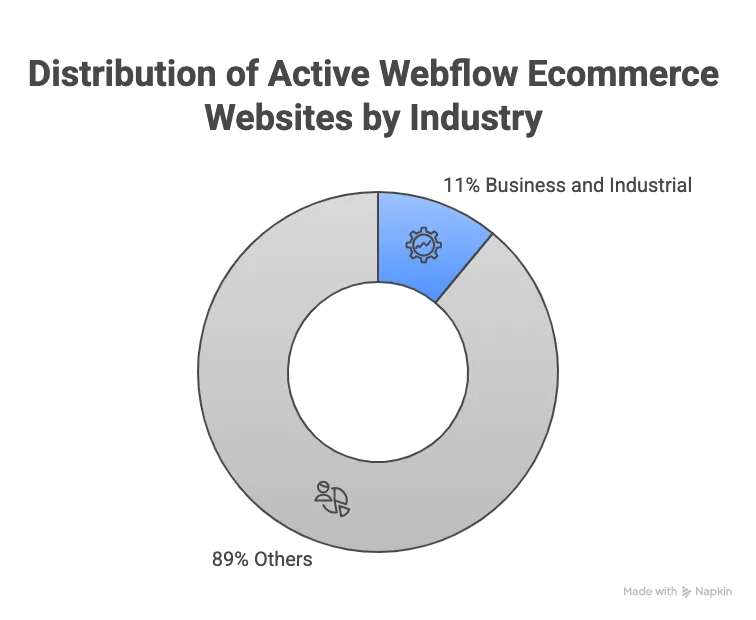
Why Webflow for local businesses? If you’re a local store, boutique, restaurant, or service provider, Webflow can dramatically simplify and enhance your online presence. Here’s why switching to Webflow is a smart move for small local businesses:
• Zero Maintenance, All-in-One Solution: Webflow takes care of hosting, security, and platform updates behind the scenes. Small business owners don’t have an IT department and with Webflow, they don’t need one. Your site is always up-to-date and secure without you lifting a finger.
As one comparison put it, Webflow zips along with sleek design and zero maintenance, perfect for small, visually stunning sites. No more worrying about plugin updates breaking your site (a common headache with WordPress). You get enterprise-grade uptime and speed out of the box Webflow’s Amazon-powered hosting boasts 99.99% uptime and lightning-fast load times globally.
• Professional Look to Outshine Competitors: First impressions matter, especially for a local business trying to stand out. Webflow’s design freedom means you’re not stuck with a generic template every other shop is using.
You (or your designer) can craft a unique, on-brand website that truly reflects your business personality. Want that perfect color palette to match your storefront or the ability to showcase high-quality photos of your products? Webflow gives you pixel-perfect control. As the #1 Webflow agency BRIX says their Webflow sites are pixel-perfect, load quickly, [with] flawless responsive design exactly the quality a small business site can achieve to wow visitors.
• Mobile-Friendly and Fast = Better Local SEO: Many potential customers find local businesses through Google search or Google Maps. Having a website that is mobile-optimized and fast is crucial for ranking in local search results. Webflow automatically produces clean, semantic code and responsive design, which translates to excellent mobile performance and strong Core Web Vitals scores by default.
You don’t have to know the technicalities just know that Google rewards fast, mobile-friendly sites. With Webflow, your site speed and user experience are effectively optimized from the start, giving you an edge in local SEO. (After switching to Webflow, Sarah’s Sweet Crumbs site began appearing higher for best bakery in [Town] searches, directly bringing in new customers.)
• Easy Editing for Quick Updates: Webflow’s Editor interface allows non-techies to update content right on the page. For a local business, that means you or your staff can hop in to change today’s specials, update business hours, or post a news update in minutes no web developer needed.
If you can fill out a form or use a Word doc, you can edit a Webflow site. This agility keeps your site fresh and informative. Compare that to waiting days for a developer to tweak your old site, not ideal when you have a flash sale or last-minute announcement.
One Webflow user story noted that Webflow accelerated publishing from weeks to hours for their content updates. Imagine being able to make an update right now and have it live immediately that’s the power Webflow hands to small business owners.
• Built-in Local Ecommerce (if you need it): If you want to sell products online or take orders for pickup, Webflow Ecommerce is ready when you are. It’s built-in and simple to manage, ideal for smaller shops that want a nice-looking online store without complex setup.
You can showcase products, manage a small inventory, and let customers check out securely all without paying extra for third-party store platforms (and without wrestling with WooCommerce plugins).
For example, Rakuten (a global e-commerce company) used Webflow to create a visually stunning, secure store with seamless checkout and easy product updates showing that even at scale Webflow can handle commerce. For a local retailer, Webflow’s e-commerce is more than enough to get started selling online fast.
In short, Webflow lets local businesses punch above their weight online. You get a site that looks custom-coded by a pro, yet you maintain control to update it anytime. The result is often saving money (no ongoing dev or maintenance fees) and making money (attracting more customers with a better site).
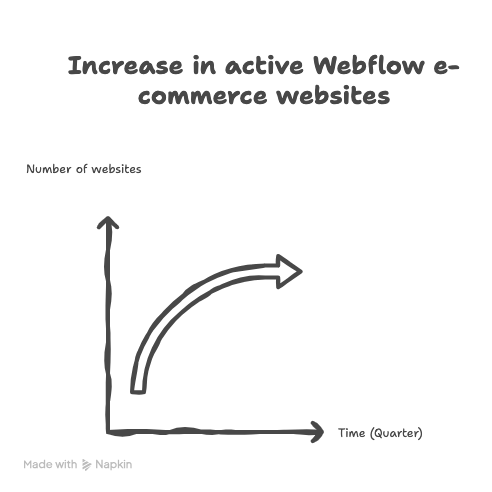
It’s no wonder thousands of small businesses have made the leap Webflow saw a 648% increase in active e-commerce websites from 2020 to 2023, many of them likely local shops embracing the platform. If you’re a local business still stuck on an outdated site (or no site at all), switching to Webflow can revitalize your online presence literally in days.
Real-World Example Keeping Costs Down: Creative Corner, a Webflow Professional Partner agency, specializes in helping small to mid-size businesses get high-quality sites on a budget. They note that the lightweight deployment inherent to Webflow projects helps keep costs down for clients. In other words, Webflow’s efficiency means even local businesses with modest budgets can afford a top-notch website. You can start small and scale functionality as you grow, without having to rebuild from scratch.
Key Benefits for Local Businesses:
• No Tech Headaches: Hosting, security, and updates are handled for you zero maintenance needed.
• Custom Look & Branding: Unleash your creativity to build a unique site that reflects your shop’s vibe (no more cookie-cutter templates).
• Mobile & SEO Friendly: Fast, responsive sites by default helps you rank higher in local searches and delight mobile users.
• Easy DIY Updates: Intuitive Editor lets you change text, photos, or add new content in minutes, so your site is always up-to-date.
• Integrated Features: Add forms, maps, or even a simple store easily with Webflow’s built-in tools all in one platform.
Story Scenario: Imagine Michael, a certified life coach and motivational speaker. Michael’s business is his personal brand, and he relies on his website to convince potential clients of his expertise. His old site, built on a generic template, looked bland and didn’t capture his energetic personality. Plus, updating the blog or event schedule was so cumbersome that Michael just stopped bothering, meaning his site’s last post was from 2 years ago (not a good look for a coach preaching growth!). On a friend’s advice, Michael switched to Webflow. Together with a Webflow designer, he created a stunning new site that feels tailor-made: bold colors, engaging animations, and sections for client testimonials that really pop.
Now Michael can easily publish a weekly thought piece on his blog (Webflow’s Editor makes it simple), and he even integrated a booking form for discovery calls. The site is an active engine for his coaching business, building credibility and generating leads. Why Webflow for coaches and solo consultants? Whether you’re a life coach, business coach, marketing consultant, or any kind of expert-for-hire, your website is often the first impression and a key trust-builder for clients. Switching to Webflow can help you craft a personal brand site that truly stands out and is easy to maintain. Here’s how:
• Stand-Out Branding with No-Code Design: Coaches sell themselves your personality, approach, and Brand Storytelling need to shine through on your site. Webflow gives you the design freedom to make a site as unique as your coaching style. You’re not stuck with the cookie-cutter layouts of basic site builders. Want a hero section with a background video of you speaking on stage? A color scheme that matches your logo and vibe? Custom icons that illustrate your methodology? All that is achievable in Webflow without writing code, thanks to its visual designer. It’s no surprise many Webflow templates are geared toward personal branding and coaching, because the platform lets you create a website that drives results while looking bespoke. Essentially, Webflow lets you look like the polished professional you are, which instills trust in potential clients.
• Storytelling Through Interactivity: Great coaches often use storytelling in their talks and Webflow enables storytelling on your website. You can include interactive elements and animations that engage visitors and guide them through your story. For example, you might have a timeline of your career that animates as the user scrolls, or interactive cards that flip to reveal client success stories.
These touches are hard to implement on older platforms but are straightforward in Webflow’s design interface. Agencies like Edgar Allan (a top Webflow design agency) specialize in crafting immersive user experiences with a story-first approach that same capability is at your fingertips with Webflow’s interactions and animations. In short, you can make your website experience as inspiring as your coaching sessions.
• Easy Content Updates = Consistent Presence: Content is king for coaches whether it’s blogging to share insights, posting upcoming workshops, or updating your media appearances. If your site is hard to update, you’ll avoid it and your content will stagnate. Webflow eliminates those barriers: its Editor lets you add or edit blog posts, events, or resources with a few clicks, and changes go live instantly. No messing with site code or waiting on a web guy. This means you can maintain a consistent content schedule, which is crucial for building your authority and SEO. Remember Michael’s neglected blog? With Webflow, he’s now excited to update it regularly because it’s so easy. Consistent branding and content can directly boost your business unified branding across platforms can increase engagement by 23% according to data. Webflow helps ensure your website stays in sync with your LinkedIn, Instagram, and other channels, reinforcing your personal brand everywhere.
• Built-In SEO to Get Discovered: Many coaches and consultants get business through being found online (life coach near me or [leadership coach] expert). Webflow has SEO performance optimization best practices built in, so your site can rank well. You can easily set page titles, meta descriptions, alt text, and URLs without plugins. Webflow also produces clean code which search engines love, and sites typically load fast (no heavy theme bloat).
This matters because a fast, well structured site will rank higher and give visitors a great experience. In fact, one study found 67% of Webflow users achieved top-10 Google rankings within six months, an impressive stat showcasing Webflow’s SEO friendliness. For a coach, that could mean more organic traffic and inbound inquiries over time.
• Integration with Your Tools: Coaches often use various tools Calendly for scheduling, Mailchimp for newsletters, maybe Teachable for courses. Webflow plays nicely with others: you can embed calendars, intake forms, videos, or just about any widget by copying a snippet (or using built-in integrations). Want a Book Now button that opens your Calendly scheduler? Or a contact form that feeds into your CRM? Webflow can handle it, either natively or via simple scripts, without compromising your design. This means your site can be the hub of your business operations, not a static brochure. It’s a seamless experience for your visitors too; everything is on-brand and on-site.
Did You Know? Some of the best personal brand and coaching websites are now built on Webflow. The Webflow showcase features plenty of personal coach website examples that you can literally clone and use. This shows how vibrant the coach/consultant community is on Webflow. People are leveraging its capabilities to create sites that set them apart in a crowded market.
Key Benefits for Coaches & Consultants:
• Polished Personal Branding: Easily create a site that’s uniquely you, boosting your credibility from the first click.
• Engaging User Experience: Use Webflow’s interactions to tell your story and keep visitors engaged (think dynamic testimonials, animated stats of your impact, etc.).
• Content Control: Update your blog, resources, or portfolio on your own schedule with no technical bottlenecks, so you stay active and relevant.
• SEO and Speed: Webflow’s fast, clean sites help you rank on Google and give potential clients a smooth browsing experience (no one likes a slow site).
• Seamless Bookings & More: Integrate scheduling tools, email sign-ups, or course platforms smoothly, turning your website into a client-generation machine.
In short, for anyone whose business is built on expertise and trust, a Webflow site can elevate your digital presence to match your real-world skills. Many coaches find that after switching to Webflow, their website transforms from a source of stress into a source of pride (and leads!).
Story Scenario: Envision BrightSpark Creative, a small digital agency that designs websites for clients. BrightSpark’s designers have amazing ideas, but bringing those ideas to life used to be a slog. They would craft beautiful mockups in Figma UI/UX design, then hand them off to a developer to rebuild in WordPress. Projects dragged on for months, and by the time sites launched, designs had often been compromised due to technical limitations. Clients grew frustrated with delays and that's close enough results. Then BrightSpark switched their workflow entirely to Webflow.
Now, the designers themselves build the client’s site directly in Webflow’s visual canvas, with pixel-perfect precision. A site that once took 3-4 months to launch can now go live in 4-6 weeks. Clients are blown away seeing live, interactive previews early in the process, and feedback rounds are smoother because changes are easy to implement on the fly. BrightSpark’s team has effectively cut out the middleman no more back-and-forth between design and development. They’re delivering projects faster, with higher quality, and their profit margins are up since they need fewer development hours. In fact, they’ve turned this into a selling point: they proudly market themselves as a Webflow Agency that offers speed and flexibility others can’t.
Why Webflow for agencies? If you run or work in a web design agency, marketing agency, or creative studio, switching to Webflow can revolutionize your workflow and business outcomes. Here are the key reasons Agencies for Luxury Personal Websites worldwide are going all-in on Webflow:
• Dramatically Faster Production Cycles: Webflow allows your team to design and build simultaneously, collapsing what used to be separate phases. In traditional workflows, a design might be done in Sketch/Figma, then a front-end dev spends weeks converting it to a live site. With Webflow, the designer is the builder the moment a design decision is made, it’s being implemented on a live canvas.
This parallel design-development process means websites launch much faster. Real-world proof: the agency Kinetic Studio found that using Webflow enabled them to go from concept to award-winning websites in just 20 days. And The Digital Panda agency achieved a 10× faster speed to market after adopting Webflow.
These are staggering improvements. For your agency, it means taking on more projects in a year and beating competitors who are still stuck in slow hand-off workflows.
• Empower Designers, Reduce Developer Bottlenecks: Webflow is a designer’s dream because it frees you from depending on a developer for front-end execution. Agencies often bottleneck when a limited dev team struggles to implement a growing queue of designs. With Webflow, skilled web designers (with a bit of Webflow training) can build out 90% of a site themselves.
This liberates your devs to focus on truly complex tasks or integrations, rather than slicing PSDs all day. Many boutique agencies have even stopped outsourcing web development after switching. For instance, HireClix, a recruitment marketing agency, bypassed the need to outsource web development after migrating to Webflow, and that move helped them attract bigger clients and add a new revenue stream. They also saved over $500k in in-house development costs along the way. Fewer outsourced dev costs and faster turnaround = a healthier bottom line for agencies.
• Iterate and Collaborate with Ease: Web design is an iterative process, and Webflow makes iterations painless. Need to change a layout based on client feedback? In Webflow, that could be a 30-second tweak, not a change request that takes a week through engineering. Agencies like DIKO learned that with Webflow they could escape the long production timelines and tedious feedback loops that often plague projects. By moving beyond those constraints, they even tackle the most technically challenging projects for big clients without issue.
Webflow also offers an Editor role for clients, meaning you can let clients update text and images on their own without breaking the design. This is a huge win for collaboration clients who feel empowered and you spend less time on tiny content changes post-launch. Overall, smoother feedback loops and client collaboration mean happier clients and potentially longer-term relationships.
• High-End Capabilities (Without High Complexity): There’s a misconception that no-code tools are light and can’t handle complex needs. Webflow routinely shatters that myth. You can build dynamic CMS-driven sites, integrate with APIs, implement custom animations, and even incorporate some custom code when needed. Top Webflow agencies like Refokus extend Webflow with tools like GreenSock (GSAP) and WebGL when they want extra flair. They’ve built sites for Yahoo!, Spotify, and even Webflow itself using this approach proving that Webflow can handle enterprise-level demands with creativity and performance.
Another elite agency, 8020, is a Webflow Enterprise Partner that uses no-code plus a bit of code to deliver some of the internet’s most ambitious websites for clients like Pilot.com and even celebrities like Hasan Minhaj. In other words, Webflow has the chops for cutting-edge work. As an agency, this means you can confidently pitch Webflow for projects big and small, knowing you won’t be boxed in. You get the best of both worlds: the agility of no-code and the power of pro grade web development.
• Better Conversion & SEO for Client Sites: Top Agencies for Personal Branding and Marketing specifically appreciate that Webflow sites tend to perform better for their clients. Faster load times, cleaner code, and built in SEO tools can lead to improved SEO rankings and conversions.
For example, Refokus has a mission of building websites geared for conversion, and they leverage Webflow to achieve that mission for clients. Webflow’s flexibility lets agencies calibrate every element to drive the client’s business objectives whether that’s more signups, leads, or sales.
And because Webflow makes it easy to implement best practices (from schema markup to responsive design), agencies find that their Webflow sites deliver results. Lattice, an HR SaaS company, moved their site to Webflow and saw their organic traffic increase and a rise in inbound clients as a result. Those kinds of success metrics make the agency (and the client) look like rockstars. Being able to say, Yes, we can build that interactive landing page and you’ll be able to edit it without calling us every time is a huge value-add.
Top Agencies Thrive with Webflow: It’s telling that many of the world’s best web agencies are now Webflow-focused. Names like Finsweet, Flow Ninja, Refokus, Edgar Allan, and 8020 are all renowned for their Webflow expertise. Finsweet, for instance, lives and breathes Webflow, not only building sites for clients like Dropbox and GitHub but also creating tools and educational resources for the Webflow community.
Flow Ninja has completed over 200 Webflow projects and ensures every site meets strict performance and UX criteria their client list includes major companies like Upwork and Checkout.com. The fact that these top-tier agencies choose Webflow is a testament: if you’re an agency and haven’t switched yet, your competitors likely have or soon will. Don’t get left behind using slower, legacy workflows.
Key Benefits for Agencies:
• Speedy Delivery: Launch websites in a fraction of the time, enabling you to take on more projects or deliver ahead of deadlines (a competitive edge).
• Designer-Led Development: Reduce reliance on front-end developers for every project and empower your design team to build directly, with devs only where truly needed.
• Cost Savings & New Revenue: Save on outsourcing or excessive dev hours (like HireClix saving $500k), and even productize new services (maintenance packages, Webflow hosting markups, etc.).
• Quality & Creativity: Achieve high-end, conversion-focused designs without compromise animations, custom interactions, CMS, and integrations are all possible in Webflow’s ecosystem.
• Client Satisfaction: Impress clients with faster turnaround, give them editing capabilities, and deliver sites that are easier for them to use post-handover (no surprise maintenance fees or constant fixes needed).
In summary, agencies that switch to Webflow often find it’s not just a tool change it’s a business model improvement. You can do better work, faster, and improve your margins. As one Webflow case study noted, a creative agency was able to deliver their signature high-design work without having to wait for developers, resulting in 40% faster time-to-market for clients. Multiply that across all your projects and it’s clear why so many agency owners are saying Webflow was the best decision they ever made.
Story Scenario: Consider a startup called CloudCore that offers a B2B SaaS product. The CloudCore team is busy building their software product and initially threw together a quick marketing site on WordPress. As they gained traction, the marketing site needed serious improvement, better design, more pages for features, a blog for content marketing, and the ability to quickly spin up landing pages for new campaigns. But their developers were swamped with the product itself, and every website update had to compete for engineering time (or was haphazardly done by non-tech team members, risking breaking the site). Enter Webflow. CloudCore’s marketing team spearheaded a migration of the site to Webflow, with minimal help needed from engineering.
The result? A sleek, Modern Website Design that matches the polish of their app, built in weeks not months. Now the marketing team can create new pages and edit content on their own; they even have a Webflow Style Guide set up so everything stays consistent. The developers, freed from website babysitting, focus 100% on the SaaS product. Within a few months, CloudCore’s organic traffic jumped because the team is regularly publishing blog posts and updating SEO content (no more bottlenecks). Leads from the site increase as well, thanks to improved design and faster load times. CloudCore is convinced: switching to Webflow wasn’t just a website upgrade, it was a growth catalyst for their SaaS business.
Why Webflow for SaaS companies and tech products? For startups and tech firms, speed and flexibility are everything. You need to move fast, iterate your marketing, and give your product a showcase it deserves all without diverting precious engineering resources. Webflow is tailor-made for this scenario:
• Marketing Agility (No Dev Tickets Required): In the SaaS world, marketers often need to update the website daily, publish a new case study, tweak messaging, launch a promo landing page, etc. With traditional setups, each change might be a Jira ticket for the dev team or a cumbersome CMS task. Webflow turns this on its head: marketers can log into the Editor and change copy, images, SEO settings, or add new pages using pre-designed components. No code, no tickets. This self-serve ability dramatically reduces the dependency on engineering. For instance, after Webflow, one company reported a 67% decrease in developer support tickets related to the website.
That’s huge imagine freeing up 2/3 of your web-related dev requests. Your dev team will thank you, and your marketing team will have the freedom to iterate quickly. In fact, global brands like Monday.com and DropboxSign (HelloSign) use Webflow for their marketing sites for exactly this reason : they can scale content and campaigns rapidly without taxing their core dev team.
• Faster Time to Market and Iteration: Launching a new feature? With Webflow, you can build a beautiful feature page in a day and have it live immediately. Doing a rebrand? You can redesign your site in Webflow with astonishing speed. Consider the example of Lattice, a people management SaaS: their old site was slow and costly to update, so they switched to Webflow to reduce cost and make it easy to navigate. They were able to quickly spin up rich content pages and landing pages that tell stories based on data to attract visitors. The payoff was tangible: their organic traffic and client sign-ups increased after the switch.
The lesson: in SaaS, the ability to rapidly adapt your marketing site (whether it’s pricing changes, new feature announcements, or A/B testing pages) can directly impact growth. Webflow gives you that superpower launch in hours that used to take weeks.
• Design Consistency with Flexibility: SaaS companies often have strong brand guidelines and need pixel-perfect implementation across web pages. Webflow’s designer lets you create reusable components and CMS templates that ensure consistency (for example, all your blog posts or help docs pages share a template).
At the same time, if you need a completely custom designed landing page for a campaign, you can do that too without being stuck in a rigid template system. This combination of consistency and flexibility is ideal for SaaS marketing. You might maintain a consistent header/footer and general style, but have the freedom to create unique sections to highlight an important customer story or an integration.
Webflow’s CMS management service can power things like your changelog, blog, support knowledge base, or even user docs, all within one site, making content management unified. And when your designers want to refresh the look, they can do so visually in Webflow, rather than filing a request to engineering to overhaul HTML/CSS. No wonder companies like Zendesk turned to Webflow because they wanted to improve [the] website’s customer-facing content and allow frequent, smooth content updates with a modern look. Webflow delivered that polished, easily maintainable site for them.
• Performance and Reliability at Scale: A SaaS marketing site can sometimes see traffic spikes (think product launch day or a big press release). Webflow’s hosting is built on AWS and Fastly, ready to handle enterprise traffic with <50ms response times for 95% of visitors. You don’t have to worry about caching plugins or CDNs, it's all handled. Security is top-notch too (automatic SSL, constant security updates, DDoS protection).
Rakuten, a global e-commerce giant, chose Webflow in part for security and scalability needs. If it works for them, it will work for your SaaS. Also, Webflow’s sites tend to load fast and score great on Core Web Vitals, which not only pleases users but also helps SEO rankings. As a tech company, you want your site to reflect the technical excellence of your product. Slow or broken pages won’t cut it. With Webflow, you get enterprise-level performance without needing an Ops team to maintain it.
• Scaling with Your Growth: Early-stage startup today, global player tomorrow Webflow can scale with you until you might need a fully custom solution (and that threshold is very high). You can start on a basic plan and upgrade to Webflow Enterprise as you scale content and traffic.
Many Series A to D companies use Webflow for quite a long time. Veza Digital, a leading Webflow agency focused on high-growth B2B SaaS brands, notes that their top clients (often Series AD funded) love Webflow because it blends premium web design and Webflow development with advanced SEO to give them an edge in performance and visibility. These companies aren’t on Webflow just for a pretty site; it's helping turn their websites into profit centers by driving growth. And when they need more, Webflow’s ecosystem allows adding custom code or integrations. For example, you can integrate analytics, chatbots, CRM forms (like HubSpot), or even build a custom logic with the Webflow API or tools like Zapier. Many SaaS sites even implement membership areas or customer portals using Webflow plus some external auth which previously would have required a web app. So, Webflow can handle quite sophisticated needs as you grow.
Real Example Ramotion’s Switch: Ramotion, a design studio serving tech companies, actually switched from a custom React website to Webflow for their marketing sites. Why? To build pages faster and give clients more control post-launch. They ended up building 10+ websites on Webflow. If a team that’s highly capable of coding in React chose Webflow for speed and convenience, that speaks volumes.
Key Benefits for SaaS Businesses:
• Marketing Speed: Launch new pages and updates at the pace of innovation no more waiting for dev cycles, giving you a marketing advantage.
• Self-Sufficiency: Marketing and design teams can own the website fully (with Editor roles, style guides, etc.), freeing developers to focus on the core product.
• Optimized Performance: Fast-loading, secure, and reliable site infrastructure handled by Webflow keeps your user experience top-notch and your CTO happy.
• Growth-Driven Design: Easily test and tweak pages for conversions, integrate marketing tools, and implement SEO best practices (all without needing plugins or a developer’s help for each tweak).
• Professional Aesthetics: Showcase your product with custom, high-end design and interactions (interactive product demos, screencasts, etc.) to impress potential customers all achievable in Webflow’s designer.
For SaaS startups, the website is your storefront and often the main funnel for new customers. Switching to Webflow can be like upgrading from a bicycle to a sports car suddenly your marketing team has the horsepower to race ahead, while your engineers are unshackled to build the product. In the fast-paced tech world, that could make the difference between leading the pack or lagging behind.
Story Scenario: Meet Jasmine, a YouTube content creator and illustrator. She has millions of followers across YouTube and Instagram, but until recently her website was just a link to a Linktree page hardly reflective of her creativity. She wanted a personal website to showcase her portfolio, sell merchandise, and host a blog where she writes about her creative process.
However, Jasmine was never a coder, and platforms like WordPress felt overwhelming (plus she dreaded looking like a cookie-cutter template). She gave Webflow a try. Using a Webflow template for creators as a starting point, Jasmine built a stunning website that truly feels like her.
It features a dynamic gallery of her artwork that animates as you scroll, a merch store with her custom illustrations on t-shirts, and a blog section she updates weekly. The design is completely unique, playful, colorful, and interactive, capturing the whimsy of her art in a way her old social profiles never could.
Within a short time, her site became the central hub for her fan community. She saw an increase in merch sales (since the store is now integrated directly on her site) and found that media inquiries started coming through her website contact form instead of getting lost in social media DMs. Best of all, Jasmine owns this platform; it's not at the mercy of a social network’s algorithm or layout.
Why Webflow for creators, artists, and content producers? If you’re a content creator, blogger, YouTuber, designer, photographer, or any kind of creator, having your own website gives you control and a unique branding opportunity. Webflow is an ideal canvas for creators to build their online home:
• Ultimate Creative Control: As a creator, your brand strategy is your art and personality Webflow gives you a blank canvas to express that with no design constraints. Unlike hosted portfolio sites or social media profiles that all look the same, a Webflow site can be a direct extension of your creativity. Want a funky layout that showcases your content in an unconventional way? Or maybe an interactive experience for fans (like an animation that responds to mouse movements)? Webflow’s design tool and interactions allow for that level of creativity without coding.
You can implement custom fonts, illustrate your pages with your own art, and generally break free of cookie cutter design. A prime example: the team for the Huberman Lab podcast (a hugely popular science podcast) partnered with Webflow agency 8020 to create a world-class website for their content. The result was an impressive site that organized hundreds of hours of content in a sleek, accessible way showing that even content-heavy creator brands can shine with custom Webflow designs. If Webflow can handle a top-10 podcast’s content library, it can handle your portfolio or channel content.
• All Your Content, One Roof: Creators often have multiple content streams videos, blog posts, photo galleries, maybe products or courses. Webflow’s CMS is flexible enough to manage all these content types in one site. You can have a blog collection for your articles, a projects collection for your portfolio pieces, a videos collection (or just embed YouTube videos in dynamic pages), etc.
Plus, you can cross-link them: e.g., each portfolio piece page could automatically pull in related blog posts or YouTube videos you’ve tagged as relevant. This kind of content integration helps keep fans on your site exploring more of your work, rather than scattered across platforms. It’s also easier for you to manage than updating different content on different sites. One Webflow site can truly be your central hub. As Jasmine found, having her merch store, art portfolio, and blog all in one place made for a cohesive fan experience and actually increased engagement and sales.
• Direct Monetization and Ownership: Relying solely on third-party platforms (YouTube, Instagram, etc.) means you’re often at the mercy of algorithms and limited monetization options. By switching to Webflow for your own site, you can monetize directly sell products, offer memberships, or host sponsor content on your terms. Webflow’s Ecommerce enables selling physical or digital goods with no coding needed; its Memberships feature (currently evolving) can allow for exclusive content sections if you want to run, say, a paid newsletter or premium videos for subscribers.
The big win is ownership: you own the mailing list of customers or subscribers, you control the user experience, and you aren’t suddenly going to be platformed or redesigned by someone else. Many creators use their Webflow site as the anchor for their personal brand’s business for example, collecting email signups for a newsletter (knowing that email list is theirs, not a fickle algorithm’s).
This is just a smart creator economy strategy: diversify onto a platform you control. And because Webflow provides secure, scalable hosting, you can handle traffic spikes when your content goes viral (without your site crashing, as can happen with self-hosted setups).
• Showcase of Professionalism: Having your own well-designed website instantly elevates how you’re perceived. It signals that you take your craft seriously; you're not just another face in the algorithmic crowd. This can lead to more opportunities.
For instance, media or brands looking to partner with influencers will likely check your website. If they see a polished site with a custom domain and great content, that’s a huge plus for your professionalism.
The founders of Blushush, Sahil Gandhi and Bhavik Sarkhedi, often emphasize the importance of personal branding for visibility. They built Blushush as a Webflow-powered branding machine for individuals, creating sites that turn unknowns into memorable brands. They’ve mastered the art of creating visually stunning yet strategically spot-on personal websites using Webflow.
This shows that combining great design with strategy on your site can transform a creator’s personal brand. In other words, moving to Webflow can be the step that takes you from just a content creator on platform X to founder of YourName.com, a distinctive brand.
• Community and Resources: Creators are a big part of the Webflow community, which means there are lots of resources, templates, and support available. Webflow University (free tutorials) and community forums can help even non-technical creators learn to tweak their site. Plus, you can find pre-built components like audio players, Instagram feed embeds, etc., to enhance your site.
Many designers create cloneable Webflow templates specifically for personal sites, artists’ portfolios, and more. You might find one that’s a perfect starting point and then customize it to your heart’s content. Essentially, you’re not alone; you’ve got a whole community of Webflow creators indirectly helping you succeed.
Key Benefits for Creators:
• Unique Portfolio/Website: Stand out with a website that mirrors your creative style no one size-fits-all templates, you have full control to design something memorable.
• Integrated Content Streams: Consolidate your content (videos, blogs, art, shop) in one place, making it easier for fans to find everything and engage more deeply.
• Monetization Options: Sell merchandise, digital downloads, or services directly, and capture leads (newsletter sign-ups, etc.) without intermediary platforms taking a cut.
• Platform Independence: Own your fan relationship through your site less risk from social media algorithm changes or account issues. Your site is a stable home base.
• Professional Growth: Impress potential partners, sponsors, or clients with a professional site. It signals you’re serious and opens doors to collaborations and opportunities.
For creators, a Webflow site is like your personal stage on the internet. You control the lights, the set design, the script. It’s a chance to craft the narrative of your brand in a way that no Instagram profile or YouTube channel can fully do. And as many have discovered, that can be incredibly rewarding both artistically and financially.
Story Scenario: Alex is a seasoned consultant and aspiring author in the tech industry. In real life, Alex speaks at conferences and has a strong reputation, but online, he’s virtually invisible. His old WordPress blog hasn’t been updated in a year (and it looks like it’s from 2010). Alex decides to invest in his personal brand with a Webflow site. He works with a Webflow-savvy branding agency (like Blushush) to craft a digital presence that tells his story.
The new site, alexthinks.com, is sleek and modern: it highlights Alex’s bio and mission on the homepage with engaging visuals, showcases clips of his talks and links to published articles, and has a regularly updated blog for his industry insights. There’s even a section for his upcoming book, with a sign-up form to get notified of the launch. Each page is optimized for SEO, so when people search Alex’s name or expertise, this site comes up first with a professional .com domain, not just a LinkedIn profile.
Over the next months, Alex sees a dramatic uptick in inbound inquiries: conference organizers, podcast hosts, and clients who found him through his site and were impressed by what they saw. Alex’s online presence finally matches his offline credibility, and it’s accelerating his business and thought leadership goals.
Why Webflow for personal brands? Individuals who are the brand think speakers, authors, entrepreneurs, brand yourself professionals need an online presence that’s polished, personal, and easily updateable. Webflow is an ideal platform to achieve that, and here’s why you should switch if you’re building a personal brand:
• First Impressions Count (Control Your Narrative): When someone googles you, your website (if you have one) should be the ultimate narrative of who you are and what you offer. Webflow empowers you to create a site that looks like you hired a full design team, even if you’re a one person show. This means you can shape the story: what images, what copy, what call-to-action all exactly as you envision. You’re not constrained by the structure of a social profile or a template.
This control is crucial for thought leaders. For example, Sahil Gandhi (The Brand Professor) and Bhavik Sarkhedi, experts in personal branding, co-founded Blushush to help individuals craft their narrative online. They leveraged Webflow because it allows blending style with substance seamlessly, resulting in websites that are visually striking but strategically spot on.
In practice, that means your site can be both beautiful and goal-oriented (whether that goal is getting speaking gigs, selling books, or attracting clients). A well-crafted Webflow site immediately signals this person is an authority and invests in their image, which can set you apart in any professional field.
• Dynamic Content for Thought Leadership: If you’re a thought leader, you likely produce content articles, whitepapers, videos, etc. Webflow’s CMS lets you organize and present that content in a compelling way. You can have a blog that’s easy to update (encouraging you to post more often). You can have a media page with all your press features or podcast appearances neatly listed.
You might even have a speaking page with events all of which you can update without calling a developer. The easier it is to publish and manage content, the more you’ll do it. And consistent content is how you cement your thought leadership.
Remember Alex from our story once he had a site that was easy to update, he kept his blog fresh and his upcoming events listed, which kept his audience engaged and growing. Webflow essentially removes all the trouble and roadblocks between your ideas and presents them to the world in a polished way.
• SEO Be Discoverable for Your Name & Niche: Personal brands benefit hugely from being easily found online. If someone hears you speak or gets a referral, they’ll search your name. You want your own site to outrank random mentions or old social profiles. Webflow is very good for this because of its strong SEO foundation. You can ensure your site has your name in the right places (titles, meta, URL) and loads fast and is mobile-friendly for all ranking factors. If your name is somewhat common, you’ll also be targeting niche keywords (like AI healthcare keynote speaker or such). Webflow makes on-page SEO straightforward: edit your meta tags, add schema for things like Person (structured data to tell Google about you), and so on.
Sahil and Bhavik’s work in personal branding service often involves making clients Googleable ; there's even a case of getting someone to rank in 60 days via SEO and digital PR. A lot of that starts with an optimized personal site as the cornerstone. In short, switching to Webflow can help you rank not just for your name but for the expertise you want to be known for.
• Showcasing Social Proof and Engagement: As a personal brand, you want to highlight credibility markers testimonials, logos of companies you’ve worked with, social media feeds, etc. Webflow allows you to incorporate these elegantly. You can embed tweets or a live Instagram feed, display rotating testimonial quotes, or list client logos in a responsive grid. None of this requires a plugin; it’s either built-in or doable via simple embed codes.
The design flexibility means you can weave social proof into your site in a way that suits your style (subtle or bold). For instance, if you have notable clients or have been featured in press, a Webflow site can present those logos or quotes in an interactive carousel or an animated section to catch attention. This kind of polish in presenting your accolades can tip a visitor from okay, interesting to wow, this person is legit! It’s part of that strategic positioning that Blushush did so well for its clients making sure the visual storytelling of the site backs up the personal brand’s credibility.
• Scaling Your Personal Brand Business: Today you’re one person, tomorrow you might launch a course, a book, or even a small agency of your own. Webflow can scale with those ambitions. You can add a storefront to sell your book or online course access (there are Webflow integrations for course platforms or simple ways to sell PDF ebooks). You can incorporate email capture forms to build a newsletter list (a critical asset for a personal brand business).
You can even add membership sections if you decide to have premium content for subscribers. Knowing that your website can evolve as your personal brand grows gives you freedom to pursue new ideas without having to rebuild everything or migrate later. Many personal brands start with a simple one-page site on Webflow and over time grow it to a full-fledged site with multiple sections and functionalities as their offerings expand.
Key Benefits for Personal Brands:
• Polished Personal Website: Establish instant credibility with a custom site that tells your story, exactly how you want it told (far more impactful than a LinkedIn page alone).
• Content & Updates Made Easy: Regularly share insights, news, and updates through a blog or media page Webflow makes it easy so you’ll actually do it and stay top-of-mind in your industry.
• Better Google Presence: Rank for your name and key topics; Webflow’s SEO-friendly nature helps you become the top search result for you (and what you do).
• Strategic Branding Elements: Integrate testimonials, client logos, case studies, and social media in a stylish way build trust with every scroll.
• Future-Proof Platform: Add new sections or capabilities as you grow (book launches, online courses, etc.), all under the same roof, keeping your brand consistent.
Ultimately, you are in control. By switching to Webflow, you’re not just creating a website, you're building a digital foundation for your personal legacy. And as many have discovered, a strong personal brand site can accelerate opportunities like speaking engagements, consulting gigs, and partnerships because it amplifies your professionalism and reach. Or as one branding expert put it, We want every brand we touch to come alive, feel human, and connect genuinely with Webflow, even an individual’s brand can do exactly that online.
In today’s digital ecosystem, your website can make or break opportunities no matter if you’re a small local shop or a rising star in your industry. What we’ve seen is that Webflow is a robust platform delivering real results for businesses of all types. To recap, we’ve explored how:
• Local businesses can get a stunning, maintenance-free website that draws in customers and is easy to update, leveling the playing field against bigger competitors.
• Coaches and consultants can establish a credible, engaging online presence that reflects their personal brand and thought leadership, without needing a tech team on standby.
• Agencies can supercharge their workflows, launch projects faster, cut costs, and wow clients evidenced by top agencies like Finsweet, Refokus, and 8020 building their reputations on Webflow.
• SaaS companies can empower their marketing teams, ship updates at lightning speed, and improve user acquisition thanks to Webflow’s agility and performance (no more waiting weeks for site changes).
• Creators and content makers can finally own their platform and showcase their work in a way that’s true to their style, converting followers into loyal fans and customers.
• Personal brands can craft a strategic, SEO-optimized online identity that opens doors and cements their authority, as seen with branding experts using Webflow to create visually striking yet effective personal sites.
If there’s a common thread, it’s this: Webflow gives control back to you, the business owner or creator. Control to design freely, control to update instantly, control to optimize continuously all without the technical drudgery that used to hold you back.
And let’s address the ASAP in our title. Why switch now? Simply put, the sooner you embrace Webflow, the sooner you start reaping the benefits. In a world where your competitors (or peers) might still be slogging through site issues or slow updates, you’ll be agile and thriving.
This competitive advantage can translate to more traffic, more leads, more sales, or more influence, depending on your goals. It’s no coincidence that successful businesses are rapidly adopting Webflow. As one source noted, Webflow success stories are on the rise because it enables stunning, high-performing, and secure websites more easily, smoothly, and quickly. Who wouldn’t want that?
If you’re worried about the migration or learning curve: fear not. Webflow provides a ton of learning resources, and there’s a growing pool of talented Webflow experts and agencies (like the ones we mentioned) who can help transition your existing site or build a new one. Many have done seamless WordPress to Webflow migrations, often reducing complexity and eliminating plugin nightmares in the process.
Get in touch with Blushush today. In the end, switching to Webflow is an investment in peace of mind and potential growth. You’ll sleep easier knowing your site is not going to randomly break with the next update, and you’ll feel excited (yes, excited!) about your website’s possibilities rather than viewing it as a necessary chore.
So ask yourself: Is my current website holding me back? If the answer is even a hesitant maybe, do yourself a favor and make the switch. The businesses and individuals highlighted throughout this guide did, and they haven’t looked back. From cutting publishing times from weeks to hours, to saving hundreds of thousands in costs, to skyrocketing traffic and sales, the outcomes speak for themselves.
Which businesses should switch to Webflow ASAP? In our view: any business that values its online presence and is ready to grow. That probably includes yours. Don’t wait until your competitors outpace you or your frustration peaks with your old setup. Take the leap, join the Webflow revolution, and prepare to be amazed at what you can accomplish on the web.
Ready to get started? Head over to Webflow’s website and explore their free Getting Started resources, or reach out to a top Webflow agency for a consultation. Your future self (and your future customers) will thank you for making the switch to Webflow, where your website finally works as hard as you do.
Curious how this applies to your own project? See our Webflow Development services or explore everything we do.