Have you seen how many selfhelp books talk about the 5 AM club or the 1% club?
They will often teach you that to join this so-called club you will have to do a particular thing, seek discipline, practice consistency and bla bla bla.
Turns out they are not lying about it. Why do I think like this?
Okay, let me tell you. You may be wondering if only those who wake up at 5 AM are elite just because you wake up at 7 AM makes you less disciplined. Well, this is not the case, not the point at all.
The point is that those who belong to the 1% club do something that makes them STAND OUT. That’s what we are going to pursue in this blog and cancel everything that belongs to those same old boring websites.
Most websites are not bad. They are just forgettable. Same layouts. Same stock photos. Same predictable sections stacked in familiar order.
Webflow gives you the freedom to break patterns thoughtfully. You are not forced into templates that make you look like everyone else. You can design experiences that feel intentional, not generic.
Standing out means being specific. Webflow allows that specificity to show through design, motion, layout, and interaction without sacrificing performance.
This blog explores how Webflow helps brands escape the sea of sameness online. And why standing out today is less about flashy tricks and more about expressing clarity through design choices that actually feel human and considered.
Once upon a time in the digital Wild West, every new business that staked a claim on the internet built an eerily similar storefront. You know the look: a dull template homepage with a generic banner, stock photos of smiling call-center agents, and a cookie-cutter “About Us” page. It’s as if all these sites were hatched from the same bland template factory, destined to blend into a sea of sameness. In this story, our protagonist is a brand owner or creative soul wandering through this town of lookalike websites and wondering, “Does it really have to be this way?”
Well, fear not. This story has a plot twist. Just when it seems like every website is doomed to be a boring twin of the next, along comes a hero: Webflow , a platform that’s part design tool, part development magic, and all about breaking the boring website cycle. Webflow empowers anyone to create websites that don’t look like everyone else’s, without needing a computer science degree or a unicorn developer on staff.
In this in-depth journey, we’ll explore how Webflow lets you unleash unique designs without overwhelming complexity. We’ll also meet some of the web’s most creative agencies, the mavericks using Webflow to push design boundaries from global leaders like Refokus and Finsweet to boutique visionaries like Blushush. By the end, you’ll see how ditching the cookie-cutter approach can transform your online presence from forgettable to unforgettable.
So saddle up and get ready for a tale of creativity, freedom, and standing out in a world full of boring websites. Let’s ride into the heart of the problem first: why do so many websites look the same, and why is that a problem?
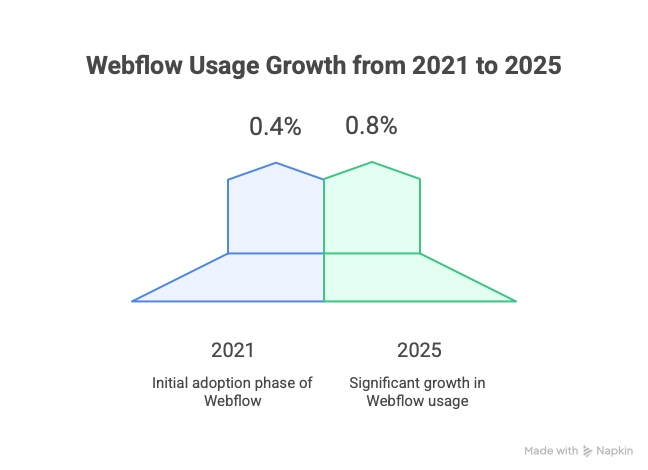
Visit a dozen small business websites at random, and you might feel déjà vu. The layouts are similar, the stock images interchangeable, the designs safe and uninspired. This “sameness” epidemic didn’t happen by accident; it's the byproduct of convenience and widespread template use. Popular platforms like WordPress have made it easy for anyone to launch a site, but often at the cost of originality. In fact, as of 2025 WordPress powers over 43% of all websites, which means millions of sites rely on a finite set of themes. It’s no wonder so many pages look like twins.
Using templates save time and money but when everybody uses the same few templates, websites start to blur together. Imagine walking down a street where every storefront has the same sign and paint color. You’d tune them out, right? Online, the effect is the same. When a visitor can’t distinguish one company’s site from another’s at a glance, your brand’s message gets lost in the shuffle of “just another website.”
And make no mistake: First impressions online are lightning fast and lasting. Studies show visitors form an opinion about a website in just 50 milliseconds literally a blink of an eye and 94% of those first impressions are design-related. In other words, if your site looks templated or outdated, nearly all of a user’s initial judgment of your credibility comes from that appearance.
Furthermore, 75% of consumers admit they judge a company’s trustworthiness based on website design. A boring, look alike site is potentially turning away customers who don’t get a sense of trust or uniqueness from your online presence.
There’s even a term for the fatigue caused by too much sameness: “template fatigue.” In a marketplace where everyone is following the same design trends, it becomes harder for any one Brand Storytelling to stick in a visitor’s memory.
As brand strategist Sahil Gandhi notes, “In a marketplace where sameness spreads at machine speed, authenticity is more than a virtue; it is your competitive moat.” If your website doesn’t feel authentic or original, you’re essentially camouflaging your brand in the digital woods where nobody can pick you out.
Consider the consequences of blending in: A potential customer visits your site and a dozen of your competitors’ sites while researching if they all have a similar layout and generic feel, the customer’s decision might default to whoever had the lowest price or the luck of timing. Your brand story and value don’t get a chance to shine when the design doesn’t differentiate you. No company wants to be forgettable, but a boring website practically guarantees just that.
What’s more, poor or generic design has a direct impact on user behavior. 38% of web visitors will leave a site if they find the design unattractive or the content unhelpful. This means you could be losing over a third of your potential customers simply by not captivating them at first glance. On the flip side, companies are catching on that unique web design is a competitive advantage: 73% of businesses invest in design to differentiate their brand. They know that in a crowded online world, standing out is crucial to being remembered.
There’s an old saying: “Nobody gets fired for buying [insert big brand software].” In web design, that translates to “nobody loses sleep for using a popular template.” Playing it safe might feel comfortable, but it can cost you opportunities. Safe design often means generic messaging, common stock imagery, and layouts that prioritize convention over connection. If your website looks like a thousand others, visitors subconsciously assume your business might be one of a thousand just like it, too.
Beyond aesthetics, consider performance and functionality. Many cookie-cutter sites rely on heavy, one size-fits-all themes and loads of plug-ins (especially in systems like WordPress), which can slow things down. And a slow, clunky site is as good as an invite to hit the “back” button. Nearly 39% of users lose interest when images or pages load slowly. A templated site not optimized for your content can inadvertently become a slow site. So not only might it look like everyone else’s, it might perform like everyone else’s and often, that’s not a compliment.
Finally, there’s the issue of brand identity. Your website is often the first touchpoint for customers. It should tell your story, not WordPress Theme #5, or Wix Template #12’s story. When you settle for a template, you’re often shoehorning your brand into someone else’s design. It’s like trying to wear a one size-fits all suit. It might cover you up, but it won’t fit just right. Over time, that can erode brand clarity. Users might struggle to remember what made you different from the others, because the site didn’t reinforce any unique vibe or narrative.
So if the diagnosis is “cookie-cutter syndrome,” what’s the cure? How do you break free from template town and head towards unique-ville? This is where Webflow enters the scene like a breath of fresh air for suffocating sameness. Let’s explore how Webflow empowers you to be different by design.
When people hear “custom website design,” many imagine two extremes: either a) tinkering endlessly with code, or b) paying a fortune for a developer to do it. Webflow blows up that false choice. It offers a third way: a visual web design platform that gives you near-pixel-level control (like coding would) without actually requiring you to write code. It’s the best of both worlds creative freedom and technical power packaged in a user-friendly tool.
With Webflow, you’re not selecting from pre-made templates so much as you are building layouts visually, using a drag-and-drop interface that outputs clean HTML/CSS in the background. It’s sometimes described as a “no-code” or “low-code” platform, but unlike many no-code website builders, Webflow doesn’t put you in a rigid box. Instead of customizing someone else’s theme, you’re designing on a blank canvas with total design freedom every pixel is under your control. As the creative and top webflow agency Blushush puts it, “Say goodbye to cookie-cutter templates. With Webflow, every pixel is under our control, allowing us to craft a truly unique and immersive digital experience that perfectly matches your brand without the constraints of traditional website builders.” In short, Webflow lets you build what you imagine, not just what a template allows.
The key to Webflow’s power lies in its designer interface, which looks a bit like Photoshop or Figma UI/UX design met a code editor and had a genius child. You manipulate real HTML elements (divs, sections, text, images, etc.) on the screen, style them with CSS via intuitive panels, and create interactions and animations all visually. Under the hood, Webflow generates clean code for you. The result is custom-tailored design without having to hand-code everything. You’re free to implement that quirky layout or innovative idea that a templated system might never accommodate.
This freedom means your website can truly reflect your brand. Want a staggered grid of images that overlap with text elements? Done. Need a funky diagonal section divider? You can draw it.
With traditional DIY platforms, you’d often hit a wall: “The template doesn’t support that.” In Webflow, there are far fewer walls. And on the off chance you do hit a limitation, you can actually add custom code for just that piece meaning Webflow doesn’t trap you if you need to go beyond its native capabilities (more on that soon).
Crucially, this creative power doesn’t come with a steep learning curve of coding syntax. It’s designed so visual thinkers, designers, marketers, entrepreneurs can build robust sites by leveraging their sense of layout and style, not wrestling with debugging code.
As one Webflow agency notes, it “allows both non-coders and experienced Best Webflow Developers to create websites without extensive coding”. You don’t have to worry about mismatched HTML tags or CSS specificity wars; Webflow handles the technical correctness while you focus on the look and feel.
Yet, unlike purely template-based builders, Webflow doesn’t sacrifice flexibility. It’s telling that many top Webflow agencies were drawn to the platform because it eliminates the traditional friction between designers and developers. For instance, agencies like ViDesigns laud how Webflow “eliminates the traditional designer-developer handoff,” letting them go from design to live site faster and more faithfully. The result? Faster turnaround and the ability to try bold ideas without weeks of custom coding.
One of the surest signs you’ve landed on a cookie-cutter website is the static nature of everything. Nothing moves except maybe a basic slider. Here’s another area Webflow shines: it makes it straightforward to add smooth, interactive animations that give your site personality. From subtle hover effects and fades to complex element animations triggered as users scroll, Webflow’s Interactions panel empowers designers to make content dynamic and engaging all visually, no JavaScript required.
Think of those delightful micro-interactions on modern websites: buttons that gently animate when clicked, images that slide in as you scroll, sections that subtly parallax. Webflow provides a rich toolkit for these, and they can be the secret sauce that makes a site feel custom and alive.
In the words of Blushush Agency, Webflow enables “fluid, high-performance animations that bring your site to life keeping users engaged, inspired, and making every interaction feel effortlessly smooth.” It’s the difference between a site that feels like an interactive experience versus one that’s just a digital brochure.
For example, you can set an element to fade and rise into view as it enters the viewport, guiding the user’s attention gracefully down the page. Or create a fun hover effect where an image zooms or a text underline swells when the cursor is over a link. These little touches make browsing your site memorable. And memorability is gold in a world of boring websites.
Webflow even accommodates advanced visual effects. Ambitious designers have integrated WebGL and Lottie animations for 3D and motion graphics within Webflow sites, the kind of flair that typically wins awards. Agencies like Refokus have married Webflow with tools like GreenSock (GSAP) and WebGL to deliver fresh, cutting-edge experiences.
If you have the chops (or the team) to dream up wild interactive visuals, Webflow will let you implement them or at least embed them. Yet for everyday purposes, the built-in animation tools are more than enough to make a site feel modern and dynamic, without writing a single line of JavaScript.
Don’t let Webflow’s ease-of-use fool you under the hood, it’s as powerful as hand coding, and sometimes even more convenient. Need a complex slideshow? A responsive menu that collapses into a slick mobile nav? A multi-step form? Webflow has pre-built components for these, which you can style and tweak at will. It’s like having a toolbox of advanced widgets that you can drop in as needed, then redesign to match your aesthetic.
Moreover, Webflow has a built-in content management system (CMS). That means you can design a custom database (say, a collection for your case studies or products), design how items from that database should be displayed using a template you create, and then easily add new items via a simple editor.
It’s all the benefits of a CMS management service like WordPress dynamic content, easy updates but without being stuck in a rigid theme. You design the content structure and presentation. If you want a custom layout for blog posts, you can have it. If you want three different styles of project case study pages for different types of projects, you can do that too. The CMS is flexible and lives right within Webflow’s interface.
For those worried about maintainability, Webflow’s CMS is a godsend. Once a site is built, non technical editors (like your marketing team) can easily log in through Webflow’s Editor interface and update text, swap images, or post new content without breaking the design. Blushush highlights this empowerment: “Webflow’s intuitive CMS empowers you to update content, add blog posts, or tweak visuals with just a few clicks keeping your site fresh without the technical hassle.”
No more submitting a ticket for the dev team to change a typo or add a new team member’s profile. This agility keeps your site content dynamic and up-to-date, which is itself a competitive advantage. (Stale websites scream “we stopped caring,” which certainly doesn’t help you stand out.)
Let’s talk performance and SEO areas where template sites often falter due to bloat. Webflow generates clean, standards-compliant code and hosts sites on fast infrastructure, meaning your pages generally load quickly by default. There’s no mountains of unused code or dozens of plugins each adding their own scripts. Plus, Webflow gives you fine control over SEO settings (custom meta titles, descriptions, alt text, etc.) and outputs clean semantic HTML that search engines appreciate.
In fact, Webflow sites have SEO-friendly foundations built-in: fast-loading, mobile-responsive, and with the ability to configure structured data or meta tags easily. The platform “ensures your site loads fast, has clean code, and includes powerful SEO tools” out of the box which helps you climb search rankings and get noticed, as Blushush notes. For businesses worried that a fancy custom design might hurt their Google standing, Webflow proves you can have beauty and substance.
Security is another behind-the-scenes relief. Traditional sites relying on multiple plugins or external themes often face security risks (one outdated plugin can compromise the whole site). Webflow, being a closed environment, greatly reduces those risks; there are no PHP exploits to worry about, and Webflow handles SSL, backups, and updates on the backend.
One agency noted that Webflow provides “enhanced security, quicker page load times, and robust IP protection” compared to legacy approaches. This means you can spend more time designing and less time patching or worrying about hacks critical for peace of mind and reputation.
Lastly, you need to integrate your site with your CRM, analytics, or marketing tools? It supports embedding custom code for services like Google Analytics, HubSpot, etc., and with tools like Zapier, you can connect form submissions to almost anything.
Some Webflow experts, like the team at 8020, even specialize in third-party integrations and no-code/low code app creation, meaning if you have ambitious needs (like integrating with Salesforce or building a client portal), Webflow can often accommodate it through these extensions. In short, your site can grow in features as your business grows, instead of hitting a dead end because “the template can’t do that.”
Summing it up: Webflow hands you the paintbrush and the canvas to create a website that’s truly yours not a carbon copy of a thousand others. It strips away the excuses for looking bland by removing the technical barriers that forced so many to choose templates. To quote 8020, a leading Webflow studio, Webflow lets companies “move faster without code,” enabling even lean teams to design, develop, and launch some of “the internet’s most ambitious websites”. It’s all about moving from the ordinary to the extraordinary with agility.
Now, to really cement how Webflow helps brands break free from boring design, let’s look at those who use it best. An excellent way to gauge a tool’s creative potential is to see what the experts and agencies are doing with it.
And in the Webflow world, there’s a vibrant community of agencies pushing the platform (and web design itself) to new heights. In the next section, we’ll meet some of these creative trailblazers and see how they leverage Webflow to craft sites that make anything but a boring first impression.
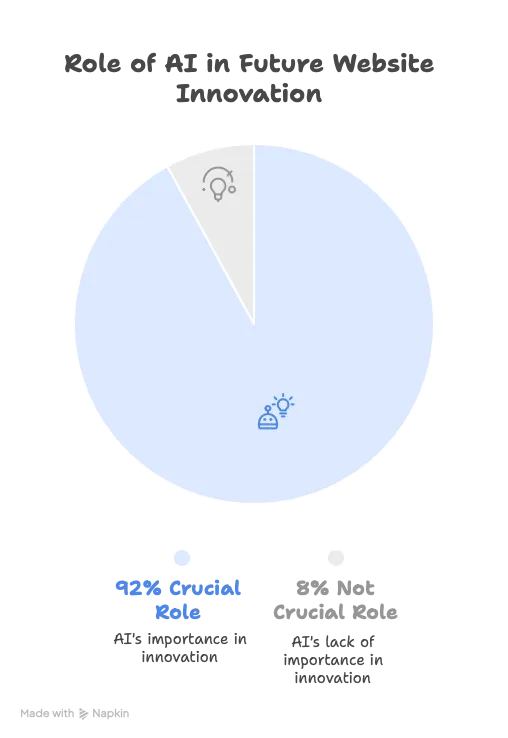
One might ask, “If Webflow is so powerful, who’s using it to full effect?” The answer: some of the most creative web design agencies in the world. These teams use Webflow as their tool of choice to build unique, boundary-pushing sites for clients ranging from scrappy startups to Fortune 500 companies. By looking at their work and philosophy, we not only see what Webflow makes possible, but we also get inspired by how far one can go when freed from template tyranny.
Let’s shine a spotlight on a few top creative Webflow agencies known for pushing the envelope. Each of these agencies has a distinct style and focus, but all share a common thread: they leverage Webflow to do things that make users stop and say “Wow, I haven’t seen a site like this before.” Here’s a rundown of some of the best, and what we can learn from them:
• Refokus High-End Design Meets Conversion Focus. Based in Germany (with a New York presence), Refokus has a clear-cut mission: build websites that look stunning and drive business results. They’re known as a Webflow “superhero” team of 25+ experts that big companies trust (clients include the Boston Consulting Group, Yahoo!, and even Webflow itself). Refokus carefully calibrates every element for conversions meaning the sites aren’t just pretty, they’re strategically designed to turn visitors into customers.
This agency unapologetically augments Webflow with advanced tech either. They’ve won 60+ web design awards (like Awwwards and CSS Design Awards) for their work, which often features interactive 3D graphics or scroll triggered animations. Refokus has integrated Webflow builds with WebGL and GSAP animations to create fresh user experiences that keep visitors engaged.
The takeaway from Refokus: Bold design and smart strategy consultation can coexist. With Webflow, they craft immersive visuals that also serve a purpose proving you can be both artistic and effective. Every Refokus project feels like a bespoke digital flagship store for the brand, as opposed to a generic shopfront.
• Finsweet The Technical Wizards of Webflow. Finsweet (based in New York) lives and breathes Webflow and that’s not just a saying, they literally contribute tools and educational content to the Webflow community. This agency is renowned for its sophisticated technical solutions built around Webflow. They’re the creators of useful add-ons like “Attributes” and the “Client First” style system, which have become popular in the Webflow developer community.
Finsweet has even earned public shout-outs from Webflow’s founder for their commitment to improving the ecosystem. What does this mean for clients? It means Finsweet can pull off complex integrations and custom code when needed, all while delivering the easy editing and slick design Webflow offers.
They’ve helped heavyweight clients like Dropbox and Github migrate projects into Webflow, showing that even tech giants trust Webflow for robust sites. If you peek at a Finsweet project, you’ll often find flawlessly executed interactions, dynamic content, and performance optimization under the hood.
They specialize in making Webflow sites that are deeply functional membership systems, multi-language sites, you name it all while keeping the end product manageable without a developer. For anyone worried “Can Webflow handle our complex needs?”
Finsweet’s work is living proof that with enough expertise, the answer is yes. As an official Webflow Enterprise Partner since 2017, they tackle enterprise-scale demands, from custom code to rigorous SEO and accessibility compliance. And they do it with a flair for design, too, marrying technical know-how with artistic solutions for truly professional results.
• Flow Ninja Speed, Performance, and Enterprise-Grade UX. Flow Ninja is an agency that has made a name handling large, complex projects yet with a name like “Ninja,” they move with agility. Originating from Serbia (and now spread across the U.S. and Europe), Flow Ninja is a Webflow Enterprise Partner that has completed 200+ projects, including work for major companies like Upwork and Checkout.com.
Their specialty? Highly interactive, fast-loading sites that meet rigorous performance standards. Flow Ninja emphasizes core web vitals (like page speed and stability), ensuring their beautifully designed sites also score well technically. They’ve proven that Webflow can deliver enterprise-level outcomes: robust CMS implementations, low code app-like experiences, and even entire design systems built into Webflow for clients. One distinguishing factor is Flow Ninja’s focus on user experience (UX) and engagement.
They pride themselves on optimizing every digital touchpoint for seamless interaction. They also serve a broad range of client sizes unlike some agencies that stick to either startups or big firms, Flow Ninja works with Fortune 500 giants down to fast-moving startups.
This has honed their ability to navigate complexity; they’re often adept at custom code and integrations when Webflow’s native features need a boost. They even brand themselves as a low-code SaaS agency, adept at using no-code tools and custom code together to deliver solutions quickly.
For example, Flow Ninja helped Upwork rebuild a large resource center in Webflow, significantly improving the user experience for millions of visitors. The lesson here: Webflow can scale, and if you optimize diligently like Flow Ninja, you can achieve enterprise performance with boutique creativity.
• Creative Corner All-in-One Creativity for the Mid-Market. Not every business has a Fortune 500 budget, and that’s where Creative Corner shines. This award-winning Webflow agency (with roots in Europe and offices in the US) positions itself as an all-in-one Webflow partner particularly suited for small to mid-sized companies.
Founded in the mid-2010s, they grew up alongside Webflow and earned a Professional Partner status. Creative Corner’s philosophy is to provide end-to-end branding service from branding and digital strategy to Webflow design, development, and even online marketing support.
For many mid-market clients it needs to be a workhorse for marketing. As such, they focus on flexible solutions and transparency. One thing they’re known for is offering subscription style engagements, which means clients can get continuous design/development help on a retainer, adjusting scope as needed.
This is great for companies that need ongoing changes or improvements and recognition that a website is a living product. Creative Corner has delivered projects across B2B, tech, and real estate sectors, always aiming for sites that “are not only beautiful, but also work well and are easy for people to use by blending aesthetics and usefulness”. They’ve been praised for handling projects with an openness and collaborative approach that yields great results.
In essence, Creative Corner shows that with Webflow, a lean team can punch above its weight. They produce adaptable, user-focused designs and leverage Webflow’s cost-effective nature (no heavy dev hours for every tweak) to keep quality high while accommodating smaller budgets.
Their work often features clean lines, smart use of Webflow’s CMS, and a design flair that gives clients a modern edge without straying from usability. For any business that thought a custom site was out of reach, Creative Corner’s portfolio suggests Webflow makes high-end web design more accessible than ever.
• BRIX Agency Enterprise Quality with a Toolkit Approach. BRIX Agency boldly claims, “We’re the #1 Webflow agency in the world,” and while rankings can be subjective, their confidence is backed by a robust track record. With 7+ years of experience and hundreds of Webflow projects delivered, BRIX is a powerhouse in the Webflow space.
What sets them apart is a very systematic yet premium approach to Webflow development. They emphasize websites that are pixel-perfect, load blazing fast, and are highly SEO-optimized. A look at BRIX’s process shows deep attention to responsive design (they won’t let a single pixel be misaligned on mobile) and performance tuning to achieve “lightning-fast” speeds.
They also design with scalability in mind: using Webflow’s CMS, Symbols (reusable components), and an atomic design approach, they ensure that the site can grow over time easily. Uniquely, BRIX Agency also contributes to the wider design community. They offer a toolkit of Webflow and Figma templates (over 300, via their BRIX Templates brand) that designers and even other agencies use.
This indicates a deep mastery of modular design; they've essentially codified best practices into reusable frameworks. That said, their client work is custom; the templates just show they understand how to build for scale. BRIX’s clients range from tech startups to established companies that need that next-level web presence. If you hire BRIX, you’re getting an agency that will sweat every detail from SEO schema to integrating analytics, to ensure the site is a marketing machine. They even offer Webflow-specific SEO and speed optimization services, underscoring that a standout site must perform well, not just look good.
BRIX reminds us that standing out is about being better built than the rest. A site that is clearly faster, more polished, and more user-friendly than the competition’s will stand out in a user’s mind for its quality. BRIX achieves that by leveraging Webflow’s capabilities to the fullest and adding their own secret sauce of expertise on top.
• Veza Digital Where Design Meets Digital Growth. Veza Digital is a top-tier Webflow agency that zeroes in on B2B SaaS brands and high-growth companies, treating websites not just as online brochures but as revenue-driving engines. Based in Canada, Veza takes a bold stance: they don’t accept every client, preferring to partner with visionary, funded startups and scale-ups who want exceptional results. Their style mixes premium Webflow design with advanced marketing strategy.
On the design front, expect sleek, cutting-edge sites often featuring custom 3D graphics or animations that make the brand look ultra-modern. (They’ve showcased work with companies like Chili Piper to create cutting-edge digital experiences .) But beyond looks, Veza is fanatical about turning a website into a “profit center.” They integrate SEO performance optimization deeply not just basic on-page SEO, but things like content-driven SEO, link building, technical audits, even AI-driven content optimization.
Essentially, they use Webflow’s flexibility to build sites that can host sophisticated content and nurture leads effectively, then they pour in a strategy to attract and convert visitors. Veza’s brand voice is confident and unapologetically focused on results. They represent the type of agency that refuses to let a website be boring, because to them a boring website is one that doesn’t contribute to growth.
By blending creativity (custom animations, interactive elements) with data-driven tweaks, they transform what might’ve been a static site into a living part of a company’s marketing funnel. Notably, Veza sees Webflow as a means to deliver on brand repositioning projects for high-stakes clients; they use the design freedom to align a website tightly with a brand’s evolving story.
The result is often a site that looks like no other in the client’s industry (making that brand immediately stand out) and that performs in terms of user engagement. Veza Digital exemplifies how a Webflow agency can push boundaries creatively while being laser-focused on business impact. They’re the go-to for companies that want their website itself to be a statement piece and a conversion engine rolled into one.
• Edgar Allan Story-First Websites that Engage. Edgar Allan is a Webflow agency with a very unique philosophy: they take a “story-first” approach to web design. Named cheekily after the famed writer Edgar Allan Poe, this Atlanta-based agency infuses literary-level storytelling into the fabric of the websites they build. What does that mean in practice? It means when Edgar Allan designs your site, they aren’t just arranging content; they’re crafting a narrative journey for your users.
They excel at immersive user experiences scrolling through an Edgar Allan site feels like turning the pages of a good story, with each scroll unveiling a new “chapter” in the brand’s tale. They work a lot with branding and content strategy alongside Webflow Development Process, even partnering with illustrators and video producers to fill their sites with custom-crafted content.
The agency has over a decade of experience and has earned the trust of major brands like Accel (a big venture capital firm) and Peachtree Hotel Group. Edgar Allan shows that Webflow is not just for standard marketing sites it can be used to build rich, almost editorial experiences.
They often extend Webflow with things like React or Rails when needed for web apps, proving that you can start in Webflow and grow beyond if required without having to throw everything away. But at its core, Edgar Allan’s work stands out because it has soul. By prioritizing narrative and engagement, they ensure visitors connect emotionally with the websites.
This is a big deal: people remember stories, not facts and features. If your website can tell a story (of your brand, your customers, your mission) in a compelling way, you’ve automatically leapfrogged all the boring sites that just list services and call it a day. Edgar Allan’s success demonstrates that Webflow is a canvas for creativity. If you can dream up a more engaging way to communicate, the platform will let you build it. And the payoff of this approach?
More engaged users, lower bounce rates, and a brand perception that this company is interesting and human. In a web full of faceless template sites, that’s a huge win.
• 8020 Think Big & Move Fast (No Code Required). Last but certainly not least, 8020 is a leading light in the Webflow world, particularly known for tackling ambitious projects on tight timelines.
Headquartered in New York, 8020 is a Webflow Enterprise Partner that has been a finalist for Webflow’s own “Agency of the Year” awards in 2023 and 2025. Their mantra, “Think big & move fast,” encapsulates the value proposition of Webflow itself delivering robust, sophisticated web experiences quickly by designing and developing in tandem. 8020 helps brands design, build, and automate all in one go.
Companies around the globe (from seed stage startups to public enterprises) rely on 8020 to launch some of the internet’s most ambitious websites. And some big names pop up in their client list: Wave (the app), Superlist, Pilot.com, even celebrity ventures like Hasan Minhaj’s website, and major podcast Huberman Lab’s site.
What draws such clients to 8020 is likely the combination of speed and quality. They utilize Webflow’s visual dev to cut project timelines significantly “shorten your project time, minimize back-and-forths, meet deadlines by doing design and dev together,” they say. But crucially, they don’t sacrifice custom needs; 8020 explicitly offers to extend functionality by writing code if needed, ensuring that clients can get truly tailor-made solutions. They focus on giving brands an unfair advantage by delivering sites that look 10x bigger (more impressive) than the company behind them, yet are easy for those companies to maintain. 8020’s projects often involve migrating messy old websites (sometimes from WordPress or bespoke setups) into Webflow, greatly improving maintainability and often the design.
For example, they’ve shared how they built a world-class digital experience for Huberman Lab’s content-rich site using Webflow, impressing even the content creators with the speed of execution. In essence, 8020 exemplifies the top-tier agency that can say “yes” to crazy ideas, complex data visualizations, interactive storytelling, heavy content sites and deliver them rapidly through Webflow.
They prove that no-code doesn’t mean no-power. With the right talent, Webflow can be bent to create high-end, bespoke digital products in a fraction of the time of traditional coding. And that speed to market can be a critical differentiator for brands trying to outrun their competition.
These agencies Refokus, Finsweet, Flow Ninja, Creative Corner, BRIX Agency, Veza Digital, Edgar Allan, and 8020 form a sort of creative vanguard in the Webflow community. They’re not just making cool websites; they’re actively demonstrating new possibilities and inspiring others to break out of conventional designs.
Each of them, in their own way, is helping to bury the era of boring websites by setting a higher bar. Whether it’s through breathtaking visuals, seamless user experiences, technical brilliance, or storytelling, they all show that Webflow is a tool limited only by imagination.
Importantly, you don’t need to be a giant company to benefit from this movement. Many of these agencies work with startups or mid-size businesses, proving that any brand with vision can have a website that stands shoulder-to-shoulder with the Fortune 500 sites in terms of quality.
And even if you’re not engaging an agency, the philosophies and approaches they use can guide your own Webflow project. Want conversion-focused design? Study Refokus. Want to push Webflow’s technical limits? Look at Finsweet’s open-source solutions. Crave a rich narrative site? Edgar Allan’s your muse. The playbook to stand out online is being written in real-time by these experts.
Now, having toured the halls of Webflow’s elite creators, let’s turn our gaze to a particular story of creativity, one that ties directly into breaking the boring website cycle. It involves a visionary duo who founded a Webflow agency aimed squarely at rescuing businesses from mediocrity. In the next section, we’ll explore how a fresh agency called Blushush and its founders are helping brands break free from boredom, and why that matters.
If the agencies we discussed are the vanguard on the front lines of web design innovation, there are also rising stars and visionaries working more quietly but no less passionately to defeat boring websites. One such example is Blushush, a UK-based Webflow design and branding agency that explicitly set out to “shake things up” in a landscape of bland sites.
Blushush was co-founded by Sahil Gandhi and Bhavik Sarkhedi, two creative minds who saw the “boring website” epidemic and decided to do something about it.
Sahil is a brand strategist known as the “Brand Professor” for his deep marketing insight, and Bhavik is a creative storyteller (with a background in content writing and personal branding). Together, they form a duo that blends branding savvy with content creativity just the right mix to help businesses break out of cookie-cutter web design and find their unique voice.
The very ethos of Blushush is about rebellion against blandness. Visit their homepage and you’re greeted with bold statements like: “Forget Boring”, “Jaw-dropping Webflow sites for those tired of blending in,” and “Building brands that refuse to blend in.”
This is practically a battle cry. Blushush explicitly calls out that in the digital world, “standing still means getting left behind,” and they’ve made it their mission to rescue businesses from design purgatory and launch them into “digital stardom”. This kind of language shows a zeal for breaking the boring cycle: they see mundane design as a trap (a purgatory) and creative design as liberation (stardom).
So, how do they accomplish this rescue mission? Blushush combines Webflow’s capabilities with strong branding principles. They craft “jaw-dropping Webflow sites and unforgettable brands”, focusing on high-impact digital presence that makes a company “impossible to ignore.”
A Blushush site is likely to be vibrant, custom, and tailored to the brand’s personality. They’re not just designing websites; they are also consultants in branding and strategy. This holistic approach ensures the website is part of a bigger narrative about the business.
One example from their portfolio or approach: rather than use generic stock images, Blushush would push for original graphics or illustrations that become part of the brand’s story (remember that stat that original visuals drive more engagement).
Or if a client is in an industry where all competitors use blue color schemes and formal language, Blushush might intentionally use a bold alternate color and a friendly tone to immediately set the client apart. It’s these kinds of decisions backed by Webflow’s freedom to implement them that truly help a brand break the mold.
Sahil and Bhavik’s combined background also means they pay attention to both style and substance. It’s not enough to have a flashy site; the content and messaging need to hit home.
This is evidenced by their other venture in personal branding and the press coverage around them. When Sahil and Bhavik teamed up on branding projects, one press release noted they had a knack for making brands “unforgettable” and blending style with substance. In fact, Blushush Agency itself earned a reputation as a Webflow firm “known for websites that aren't just visually striking but strategically spot on.”
This is a crucial point: being unique for uniqueness’ sake can misfire if it doesn’t also serve a strategic goal (like appealing to the target audience or prompting them to take action). The Blushush founders understand this balance well, ensuring that the creative choices also align with the client’s business objectives. It’s the antidote to those pretty-but-useless websites on one side, and the effective but-drab ones on the other. You want exciting and effective, not either/or.
Let’s talk about breaking the “boring website cycle,” as Blushush’s founders call it. Many businesses fall into a cycle where they launch a basic site (perhaps due to time or budget constraints), it underperforms or doesn’t wow anyone, and it stays that way until years later someone says “we need a redesign.”
Then they often repeat the cycle, maybe just slapping a new template on. Sahil and Bhavik aim to break this by intervening at the root: build a site that stands out from day one, so it actively elevates the brand.
This involves convincing businesses to be a bit brave to invest in a design that’s not like everyone else’s and to trust a more imaginative process.
Because Webflow reduces technical barriers, Blushush can prototype ideas faster and show clients what a different approach might look like, easing that fear of the unknown. It’s much easier to break the cycle when you can quickly demonstrate a bold concept visually, rather than talking abstractly about it.
Another element Blushush leverages is the total design freedom and modern features of Webflow (similar to what we outlined earlier). For instance, they highlight Webflow’s capabilities like interactive animations and CMS content as selling points. If a client’s old site was a static, boring thing, Blushush might propose a Webflow re-do that includes subtle animations that make the brand feel more dynamic, or a CMS-powered blog that they can update weekly to keep content fresh.
Fresh content and lively design together break the monotony that plagues stagnant sites. And since Webflow makes these things relatively easy, the client doesn’t need to fear high ongoing costs or technical headaches. Blushush can hand over a site that the client can update themselves without breaking the design that’s huge for encouraging continuous improvement rather than letting the site gather dust.
Sahil Gandhi often talks about authenticity and emotional connection in branding. In a Forbes article he authored, he said that authenticity is the “cornerstone of modern brand strategy” and in an AI-driven world, being genuine and human is your moat. This philosophy carries into web design. A boring template site has no authenticity; it's generic by nature.
A Webflow-crafted site by a team like Blushush can be infused with authentic elements: real customer stories, custom visuals that reflect the company’s culture, copy that sounds like a human wrote it rather than corporate-speak. These elements make a site emotionally resonant.
And when visitors feel an emotional pull or see real personality, they form a stronger memory of that brand. Blushush’s founders have explicitly said they want every brand they work on to “come alive, feel human, and connect genuinely”, emphasizing clarity and authenticity. All of this is part of breaking out of the boring. It's not just about flashy design, it’s about meaningful differentiation.
In terms of results and recognition, Blushush may be newer on the scene compared to some giants, but they’re turning heads. The founders’ thought leadership on branding and Webflow has been featured in places like Forbes and MarTech, and they’ve been called “game-changers in the industry” by peers. It’s a testament to how important this mission of breaking boring websites is becoming.
They’re essentially evangelizing a movement: Don’t settle for boring. And importantly, you don’t have to, thanks to tools like Webflow and the creative approaches now possible.
Whether you engage a visionary agency like Blushush or channel the same mindset internally, the lesson here is universal: Dare to be different. In a world of boring websites, the bold and creative one is a beacon.
As Sahil and Bhavik have demonstrated, even smaller agencies or teams can create world class, standout websites if they pair the right technology (Webflow) with the right vision (a commitment to originality and authenticity). It’s about breaking habits if everyone in your industry uses Template X, dare to design something completely not like Template X.
If competitors stick to safe corporate jargon, maybe your site speaks in a witty, friendly tone. If others are all minimalistic and sterile, maybe your brand goes vivid and lively. There’s no one answer, except find the space where you can zig when others zag.
By breaking the cycle, you don’t just get a prettier website; you reposition your brand. You tell your audience, consciously or subconsciously, “We are not like the rest.” That message, in today’s copycat web, is powerful.
We began our journey lamenting the state of the web, that endless scroll of cookie-cutter sites blending into each other and we end it on a note of optimism and empowerment. The world full of boring websites is not a permanent condition; it’s a call to action.
And the answer to that call is clear: Webflow, combined with a creative mindset, is helping individuals, businesses, and agencies transform the digital landscape from mundane to magical. By now, a few key takeaways should be resonating:
• First, standing out online is not optional; it’s essential. You have mere milliseconds to impress a visitor, and almost all of that impression rides on design and uniqueness. Blandness is a silent killer of customer interest.
Conversely, a distinctive, well-crafted site can captivate and convert. In an era when 73% of companies are investing in design to differentiate, those who ignore design do so at their peril. Webflow has effectively democratized great design, meaning no one has an excuse to remain stuck with a boring site. If your website is currently “just okay” or indistinguishable from others, the opportunity to fix that is within reach.
• Second, Webflow proves that you don’t need to be a coder or a Fortune 500 company to have a unique website. We saw how Webflow’s no-code visual development puts powerful tools in the hands of creators.
It eliminates many past constraints: you’re not limited to templates, you’re not reliant on a developer for every change, and you’re not stuck with slow, bloated pages. You can design freely, iterate quickly, and update easily.
Whether you’re a solo entrepreneur, a marketer at a mid-sized business, or a designer sick of telling clients “I can’t do that in this template,” Webflow opens the door to building what you actually want. It’s liberating like moving from a paint-by-numbers kit to a blank canvas where you can truly paint your brand’s story.
• Third, the examples of top Webflow agencies and creatives show just how far “different” can go. We learned from Refokus to align design with conversions to make pretty serve a purpose. We learned from Finsweet that no technical challenge is too great to overcome in Webflow’s ecosystem, so complexity is not an excuse for a dull site.
Flow Ninja taught us that even enterprise-level needs and performance standards can be met with Webflow while still delivering delightful design. Creative Corner and BRIX Agency illustrated that scaling design and maintaining quality is doable and that even systematic approaches can yield distinctive results.
Veza Digital reminded us that a website can be a growth engine, not just a static page if you infuse it with strategy and creativity. Edgar Allan proved websites can tell immersive stories that linger in hearts and minds. And 8020 demonstrated speed and ambition. You can launch something extraordinarily quickly if you break free of traditional dev cycles.
• Finally, the story of Blushush and its visionary founders is a rallying cry for brands of any size: you are allowed to be bold. In fact, you must be, to escape the “design purgatory” that so many businesses unwittingly inhabit.
Sahil Gandhi and Bhavik Sarkhedi’s mission to make brands “impossible to ignore” and “unforgettable” hits at the heart of the matter: a bold website is not about vanity, it’s about being memorable and authentic in the eyes of your audience.
They’re creatives who see Webflow as a means to an end, the end being a web that is far from boring, a web where every company can express its unique DNA through design and content. And when that happens, everyone wins: businesses get more engagement, users get more enjoyment, and the web as a whole becomes a more vibrant place.
As you set out on your own journey to revitalize your website (or to build a new one from scratch), remember that the tools and inspiration are on your side. Gone are the days when only coding wizards or huge budgets could produce top-tier websites. With Webflow, the playing field has been leveled. The only limitation now is imagination and the willingness to break from the safe, same-old approach.
Sure, doing something different can feel risky. It’s like fashion wearing a bold outfit means you won’t please everyone and you’ll certainly stand out from the crowd. But on the web, anonymity is death.
And as we’ve seen, you can be bold and strategic: the best websites today marry creativity with clear purpose. They don’t have to be crazy abstract art pieces (unless that fits your brand); they just need to be authentically you and thoughtfully designed.
So, here’s an invitation: be the brand with the website that turns heads. Be the company in your industry that others point to and say, “Wow, did you see what they did with their site? It’s so cool it really captures who they are.”
When competitors zig into another template, you zag into a custom Webflow creation. When others play it safe, you play it smart and original. Over time, that reputation for excellence and uniqueness will do more for your business than any amount of generic SEO tweaks or extra ad spend. It builds equity in people’s minds.
In a world full of boring websites, you now have the knowledge and tools to not be one of them. Whether you team up with a creative agency, bring in a Webflow expert, or learn the platform yourself, the path to a standout site is accessible. The web doesn’t need any more boring websites, it needs trailblazers, storytellers, and risk-takers. Webflow is here to help you be all of those.
Connect with Blushush and go forth and craft something extraordinary, something that’s unmistakably yours. Your audience will thank you, your competitors will envy you, and you’ll set a new standard in your corner of the internet. The era of boring websites can indeed come to an end, one beautifully unique Webflow site at a time. Will yours be one of them? The canvas is blank and waiting for your bold brushstrokes so dive in and create the web you want to see.
Unlock the power of Webflow, unleash your creativity, and let your website be the one that breaks the mold. In doing so, you won’t just stand out from the crowd, you'll rise above it, shining as a brilliant example of what’s possible when we trade boring for breathtaking.
Curious how this applies to your own project? See our Webflow Development services or explore everything we do.